
Budget Watchdog Predicts Zero Population Growth This Year
Canada's parliamentary budget officer projects zero population growth for 2026, marking a significant demographic shift with implications for economic and social policies nationwide.


Canada's parliamentary budget officer projects zero population growth for 2026, marking a significant demographic shift with implications for economic and social policies nationwide.

Analysis reveals Canada's food inflation and housing unaffordability stem from domestic policies like supply management and property restrictions, not U.S. trade actions under Trump.

Statistics Canada data reveals 4.6 million Canadians work in public sector, representing 25% of employees. This ratio approaches levels last seen before 1994 fiscal crisis, raising concerns about economic sustainability.

Recent data showing Canada's GDP per capita falling behind Alabama's has sparked debate, but the real story is a long-term pattern of economic self-sabotage masked by moral superiority.

Shared lists with real-time sync. No signup needed — just open and shop together.
Recommended
Alberta's economy continues to outperform national averages with strong job creation and GDP growth, yet faces a significant budget deficit due to lower-than-expected oil prices, according to Finance Minister Nate Horner.

An expert emphasizes that sustainable economic growth is crucial for New Brunswick's long-term financial health, arguing against reliance solely on budget cuts to address fiscal challenges.
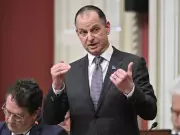
Finance Minister Eric Girard warns that referendum speculation is already increasing Quebec's borrowing costs by $20 million annually, totaling $100 million over five years, as political uncertainty impacts provincial finances.

Alberta Premier Danielle Smith warns of significant deficits in upcoming budget, continuing a trend where province has run shortfalls in 13 of last 18 years, creating shaky fiscal ground ahead of independence vote.

Analysis reveals Canada's affordability crisis stems from domestic issues like overregulation, supply management, and property restrictions—not U.S. trade policies. Food inflation in Canada is the highest in the G7.
Shared lists with real-time sync. No signup needed — just open and shop together.
Recommended
As Saskatchewan prepares its 2026-27 budget, an economics professor warns a $1 billion deficit is possible due to oil price drops, canola tariffs, and rising healthcare costs.

The U.S. Supreme Court's decision to strike down Trump-era tariffs has triggered a decline in U.S. stock futures and created a mixed response in global financial markets, highlighting ongoing economic uncertainty.

Canadian retail sales edged up 0.1% in Q4 2025 despite a December dip, with economists noting consumer 'holding on' despite uncertainty. January estimates show a strong 1.5% jump.

The U.S. economy expanded at an annualized rate of 1.4% in the fourth quarter of 2025, falling short of expectations due to a prolonged government shutdown and trade factors, though underlying demand remained resilient.

The U.S. economy expanded at a 1.4% annual rate in Q4 2025, down sharply from previous quarters, as a federal shutdown and weaker consumer spending weighed on growth. The report highlights a puzzling job market and persistent consumer gloom despite solid
Shared lists with real-time sync. No signup needed — just open and shop together.
Recommended
The U.S. economy grew at an annualized rate of 1.4% in the fourth quarter of 2025, a slower pace than economists had anticipated, signaling potential headwinds.

As Cuba's economic crisis intensifies, families are receiving essential supplies from Mexico, highlighting regional support efforts while daily struggles persist in Havana.

New data reveals a population drop across most Atlantic provinces at the end of 2025, marking a significant demographic shift after years of growth.

A new $6 million research initiative aims to boost Canada's productivity, but economist William Watson questions how to accurately measure productivity in public sector research and account for quality improvements across industries.

British Columbia's left-leaning government plans to eliminate 15,000 public sector jobs and increase taxes, yet spending and provincial debt are projected to grow significantly over the coming years.
Shared lists with real-time sync. No signup needed — just open and shop together.
Recommended
The U.S. economy is projected to grow 2.7% in 2025 with strong GDP, but employment remains stagnant, creating an unusual 'jobless boom' scenario without a preceding recession.

Christine Lagarde's potential early departure as ECB president could benefit front-runners Klaas Knot and Pablo Hernandez de Cos in the succession race, according to analysts.

As Cuba faces deepening economic crisis, a growing private sector creates stark inequality, with wealthy entrepreneurs accessing luxuries while most citizens face extreme poverty and scarcity.

U.S. sanctions under the Trump administration have severely restricted Cuba's fuel supply, devastating its tourism industry. Hotels are closing, beaches are empty, and the economy faces a deepening crisis as visitors stay away.

A detailed analysis reveals Atlantic Canadians are enduring significantly higher inflation rates and steeper grocery costs compared to much of the country, exacerbating the cost-of-living crisis in the region.
Shared lists with real-time sync. No signup needed — just open and shop together.
Recommended
British Columbia's 2026 budget reveals a growing deficit despite promises of reduction, raising questions about the fiscal management of Premier David Eby's administration.

British Columbia's Budget 2026 allocates billions to healthcare, education, and housing while reducing public sector size, emphasizing strategic investments over service cuts.

British Columbia's 2026 budget introduces tax increases, public sector job cuts, and rising public debt, while boosting health and education funding amid a growing deficit.

The British Columbia government's latest budget reveals plans to eliminate 15,000 public sector positions over three years while pausing capital projects to address a record $13-billion deficit.

The B.C. budget outlines proactive strategies to mitigate impacts of U.S. tariffs, focusing on trade diversification and sector support to bolster provincial resilience.
Shared lists with real-time sync. No signup needed — just open and shop together.
Recommended
British Columbia's government announces a re-pacing of its capital plan, delaying projects like Burnaby Hospital, as the budget reveals a record $13-billion deficit and tax hikes.
