

British Columbia Announces Major Public Sector Job Reductions in New Budget
The British Columbia government has unveiled a budget that includes significant austerity measures, with plans to cut 15,000 public sector jobs over the next three years. This announcement comes as the province grapples with a record $13-billion deficit, prompting what officials describe as a necessary re-pacing of government spending.
Budget Details and Fiscal Challenges
The budget, presented on February 17, 2026, outlines a comprehensive strategy to address the province's financial shortfall. In addition to the job cuts, the government has decided to pause numerous capital projects, effectively putting them on hold as part of a broader effort to manage expenditures. The $13-billion deficit represents one of the largest in British Columbia's history, driven by economic pressures and increased spending in previous years.
The job reductions will affect various public sector departments and agencies, though specific details regarding which positions will be eliminated have not been fully disclosed. The government emphasizes that these cuts are aimed at streamlining operations and focusing resources on essential services, but critics warn of potential impacts on public service delivery and employee morale.

Impact on Public Sector and Union Response
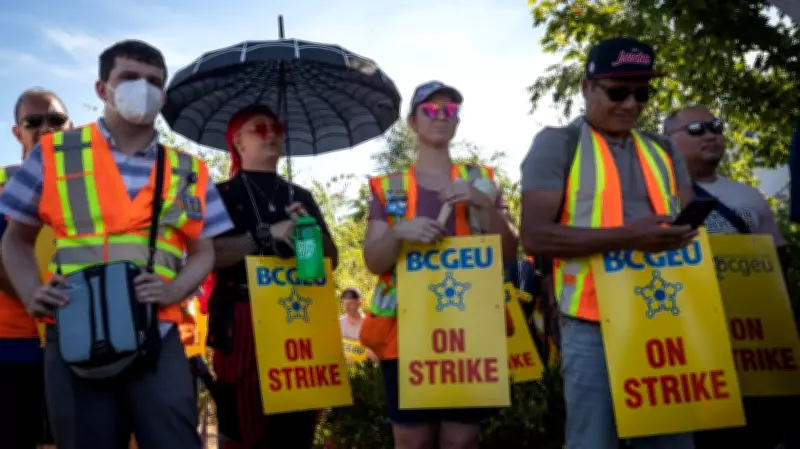
The British Columbia General Employees' Union (BCGEU), which represents approximately 33,000 public sector workers, has expressed strong opposition to the job cuts. In a statement, union leaders highlighted concerns about the effects on workers and communities, noting that such reductions could undermine public services like healthcare, education, and infrastructure maintenance.
This move follows previous labor disputes, including picketing by BCGEU members in Delta in 2022, which underscored ongoing tensions between the government and public sector unions. The union is expected to mobilize against the budget measures, potentially leading to protests or negotiations in the coming months.
Broader Economic and Political Context
The budget announcement is part of a larger trend of fiscal restraint in British Columbia, as the government seeks to balance economic recovery with debt management. Key elements of the budget include:
- A tax rate increase to generate additional revenue, though specifics on the hike are not detailed in the initial release.
- A re-evaluation of capital spending, with projects being delayed or scaled back to align with financial priorities.
- Efforts to redirect funds toward what officials term "jobs of the future," emphasizing sectors like technology and green energy over traditional industries.
This approach mirrors comments from other political figures, such as Ontario Premier Doug Ford, who has advocated for focusing education on future-oriented careers rather than what he dismissively calls "basket-weaving courses." The B.C. government's budget reflects a similar push toward economic modernization, albeit through controversial means.
Public Reaction and Future Implications
Reaction to the budget has been mixed, with some praising the government's fiscal responsibility and others condemning the job cuts as harmful to workers and the economy. Public sector employees and their families are likely to feel the brunt of these changes, raising questions about social stability and government accountability.
As the budget moves forward, stakeholders will closely monitor its implementation, including any adjustments to the job cut timeline or capital project pauses. The government has indicated that further details will be released in the coming weeks, but for now, the announcement sets a contentious tone for British Columbia's economic policy in the mid-2020s.






