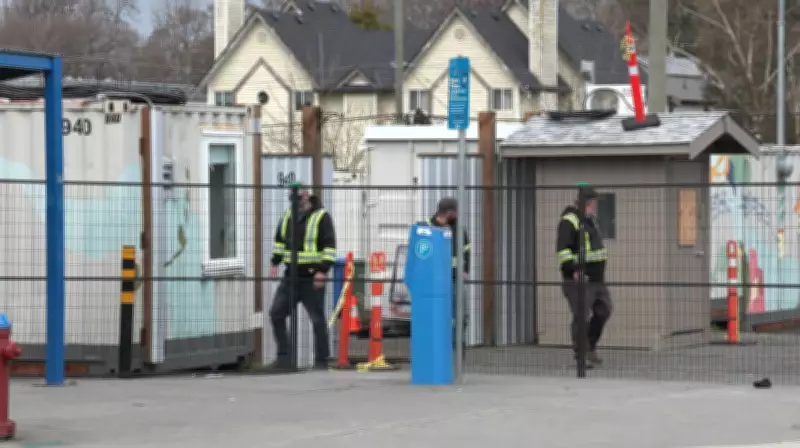
Victoria's 'Tiny Town' Shipping Container Village Abruptly Closes
In a surprising turn of events, Victoria's 'Tiny Town,' a shipping container village that had been praised for its innovative approach to urban housing, has officially shut down. The closure, announced recently, has left many residents and community members taken aback, as the project was widely regarded as a successful model for addressing housing shortages in the region.
Background and Initial Success
The 'Tiny Town' initiative was launched as a creative solution to Victoria's growing housing crisis. By repurposing shipping containers into affordable, compact living spaces, the village aimed to provide temporary housing for individuals and families in need. Over its operational period, it garnered positive attention for its sustainability efforts and community-oriented design, with many lauding it as a beacon of innovative urban planning.
According to reports, the village housed dozens of residents and featured amenities such as shared common areas and green spaces. It was often cited in discussions about alternative housing models, with proponents highlighting its cost-effectiveness and environmental benefits compared to traditional construction methods.

Reasons for the Shutdown
While specific details behind the closure remain unclear, sources indicate that logistical and regulatory challenges may have played a role. The shutdown was described as unexpected by some involved, suggesting that operational hurdles or funding issues could have contributed to the decision. No official statement has been released detailing the exact causes, but the move has sparked discussions about the viability of such projects in the long term.
This development raises questions about the sustainability of shipping container villages as permanent housing solutions. Experts note that while these projects can offer short-term relief, they often face obstacles related to zoning laws, maintenance costs, and community integration.
Community Impact and Reactions
The closure of 'Tiny Town' has had a direct impact on its former residents, who must now seek alternative housing options. Community advocates express concern over the loss of affordable units in a city already struggling with high rental prices and limited availability. Some residents have voiced disappointment, noting that the village provided a sense of stability and community that is hard to find elsewhere.
Local officials have yet to comment on plans to replace the housing lost or address the broader implications for Victoria's housing strategy. The shutdown serves as a reminder of the complexities involved in implementing non-traditional housing models and the need for comprehensive support systems to ensure their success.
Looking Ahead
As Victoria grapples with ongoing housing challenges, the closure of 'Tiny Town' may prompt a reevaluation of similar initiatives. Stakeholders are calling for more robust planning and funding mechanisms to support innovative housing projects in the future. Lessons learned from this experience could inform future efforts to create sustainable and scalable solutions for urban housing shortages.
In summary, the shutdown of Victoria's 'Tiny Town' shipping container village marks a significant moment in the city's housing landscape. While it was once celebrated as a success, its closure underscores the difficulties in maintaining such projects and highlights the ongoing need for effective strategies to address housing affordability and availability in urban areas.