

Five Key Impacts of B.C.'s 2026 Budget: Tax Hikes, Debt Surge, and Cuts
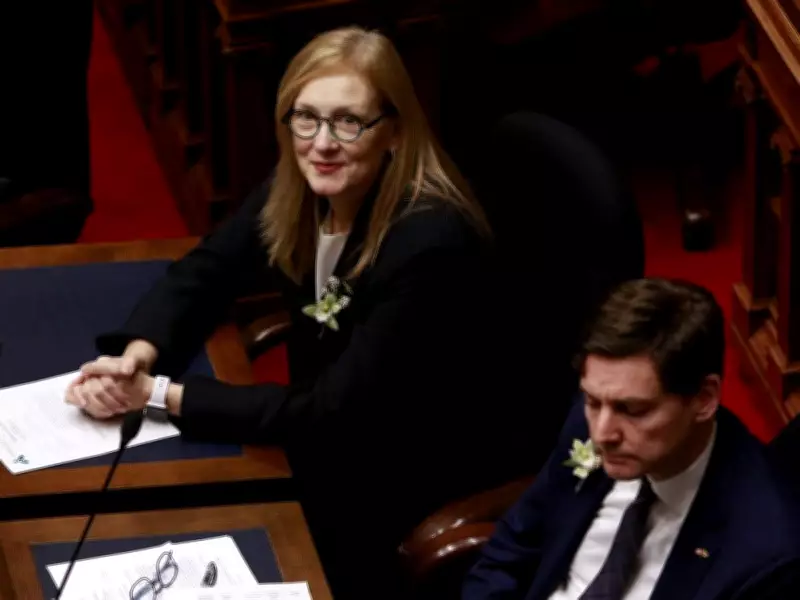
British Columbians are facing significant financial changes as the 2026 provincial budget unfolds, with tax increases, public sector job reductions, and a surge in public debt on the horizon. Finance Minister Brenda Bailey has signaled an austerity approach, warning that she may become the least popular person in the province following the budget's release. This comes amid a backdrop of new funding for health care and education, but cuts to other key programs like child care, as the government grapples with a ballooning deficit and escalating debt.
Budget Overview and Economic Context
In her speech to the legislative assembly, Bailey highlighted the province's economic strengths but pointed to challenges such as U.S. tariffs and declining resource revenue. She emphasized the need for strategic spending choices, stating, "We must make strategic choices about where we will spend our resources. We are scrutinizing government spending and ensuring as many dollars as possible reach the front lines in classrooms and emergency rooms." To accommodate new expenditures, the government is preparing for pruning within the Public Service Agency and has announced that most residents will see their taxes rise.
Key Impacts on British Columbians
- Projected Deficit and Debt Increases: The projected deficit for the 2025-26 fiscal year has dropped to $9.6 billion, down from $11.2 billion, thanks to stronger income and corporate tax revenue and creative accounting around a tobacco settlement. However, the deficit is expected to rise by $3.7 billion over the next 12 months, reaching $13.3 billion for 2026-27. Modest reductions are forecasted for subsequent years, with deficits of $12.1 billion in 2027-28 and $11.4 billion in 2028-29. Provincial debt is projected to climb from $154 billion to $234.5 billion by 2028-29, with debt servicing costs rising from 4.9 cents to 8.2 cents per revenue dollar. Taxpayer-supported debt is also set to increase from 26.1% to 37.4% over three years.
- Spending Increases Amid Slowing Growth: Despite the record deficit, the province plans to boost spending by $9 billion over the next three years, with $4 billion allocated for the upcoming 12 months. This increase comes as economic growth slows, highlighting the government's commitment to funding priority areas like health and education while managing fiscal pressures.
The budget reflects a delicate balance between addressing immediate needs and managing long-term financial sustainability, with significant implications for taxpayers and public services across British Columbia.







