In a stark reflection of Cuba's escalating economic turmoil, families across the island are now receiving essential supplies labeled 'Made in Mexico,' as international aid efforts ramp up to address severe shortages. The crisis, marked by widespread scarcity of basic goods, has pushed many Cubans to rely on external support, with Mexico emerging as a key provider of humanitarian assistance.
Deepening Hardship in Havana
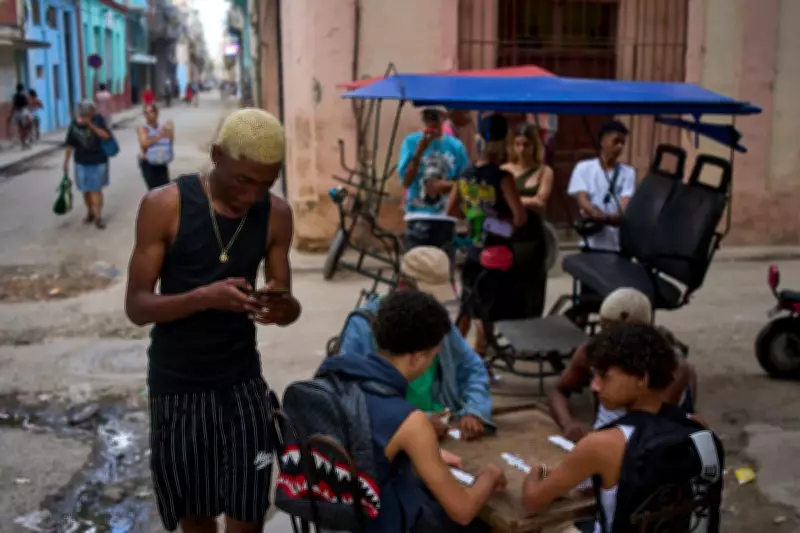
On the streets of Havana, scenes of resilience mix with desperation. Residents gather to play dominoes, a common pastime that offers a brief respite from daily struggles, yet this normalcy belies the underlying tensions. Food, medicine, and other necessities remain in critically short supply, forcing families to queue for hours or turn to informal markets where prices are often prohibitive.
Mexico's Role in Regional Support
The arrival of 'Made in Mexico' essentials—including items like canned goods, hygiene products, and medical supplies—underscores a growing regional response to Cuba's plight. Mexico has historically maintained diplomatic ties with Cuba, and this aid initiative signals a commitment to solidarity amid the island's worst economic downturn in decades. Analysts note that such support is crucial as Cuba faces U.S. sanctions, pandemic fallout, and internal production challenges.

Impact on Daily Life
For Cuban households, these Mexican-supplied items offer a lifeline, albeit a temporary one. Many report that while the aid helps alleviate immediate needs, it does not address systemic issues like inflation, which has eroded purchasing power, or infrastructure deficits that hinder distribution. The crisis has also spurred migration waves, with thousands seeking better opportunities abroad, further straining social cohesion.
Broader Context of the Crisis
Cuba's economic woes are multifaceted, stemming from:
- Sanctions and Trade Restrictions: Long-standing U.S. embargoes have limited access to international markets.
- Tourism Decline: The pandemic devastated the tourism sector, a key revenue source.
- Agricultural Shortfalls: Poor harvests and inefficiencies have led to food insecurity.
- Energy Instability: Frequent blackouts disrupt daily life and economic activity.
In this context, aid from Mexico and other nations is seen as a stopgap measure, with calls for more sustainable solutions growing louder among both citizens and international observers.
Future Outlook
As the crisis persists, experts warn that without structural reforms and increased global cooperation, Cuba's recovery could be prolonged. The 'Made in Mexico' initiative, while welcomed, highlights the urgent need for comprehensive strategies to rebuild the economy and ensure long-term stability for Cuban families.