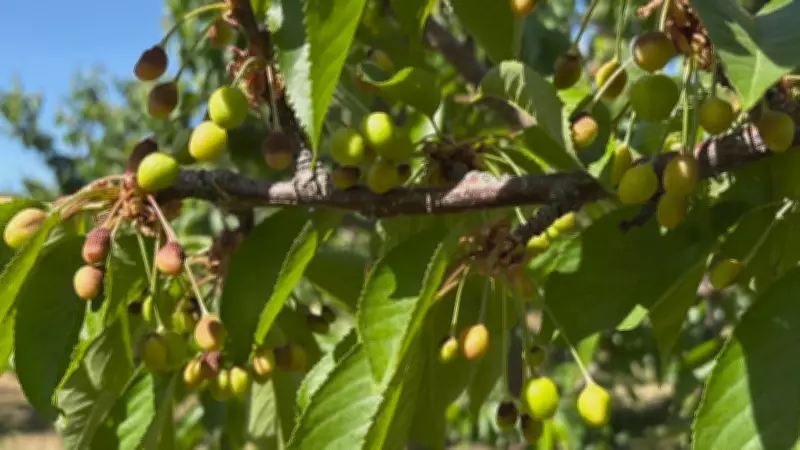
Okanagan Fruit Growers Face Devastating Losses Due to Harsh Weather
Years of challenging weather conditions are compounding problems for fruit growers in British Columbia's Okanagan region. Stone fruit orchardists report that large portions of their apricots, peaches, and cherries are being wiped out, leading to significant financial losses and uncertainty for the upcoming harvest season.
Impact of Unpredictable Weather Patterns
The Okanagan, known for its thriving fruit industry, has been hit by a series of extreme weather events over the past several years. From late spring frosts to intense heatwaves and unpredictable precipitation, growers have struggled to protect their crops. This year, a combination of cold snaps during blooming periods and subsequent drought conditions has severely damaged stone fruit yields.
According to local agricultural experts, the losses are among the worst in recent memory. Apricot and cherry trees have been particularly affected, with many orchards reporting up to 80% crop failure. Peach growers are also facing significant reductions, though some varieties have shown more resilience.

Economic and Emotional Toll on Growers
The financial impact on Okanagan fruit growers is substantial. Many family-owned orchards rely on a successful harvest to sustain their operations year-round. With reduced yields, farmers are forced to make difficult decisions about labor, marketing, and future investments. Some are considering diversifying into other crops or even leaving the industry altogether.
Beyond the economic strain, the emotional toll is heavy. Growers who have spent decades cultivating their land and perfecting their craft now face an uncertain future. Community support groups and agricultural extension services are working to provide mental health resources and practical advice for coping with the ongoing crisis.
Long-Term Solutions and Adaptation
In response to these challenges, researchers and agricultural organizations are exploring long-term solutions. These include developing hardier fruit tree varieties that can withstand temperature fluctuations, implementing advanced irrigation systems to manage water scarcity, and adopting protective measures like wind machines and overhead sprinklers to mitigate frost damage.
Government agencies are also stepping in with financial assistance programs and grants for farmers who adopt climate-resilient practices. However, many growers argue that more immediate support is needed to help them survive the current crisis.
Looking Ahead
As the Okanagan fruit industry grapples with these compounding challenges, the outlook remains uncertain. While some growers remain hopeful that next year will bring better conditions, others are preparing for a new normal of increased weather variability. The resilience of this iconic agricultural region will be tested in the years to come, but the determination of its growers remains strong.