

Alberta's Chronic Deficit Pattern: Smith's Budget Warning Reflects 18-Year Trend
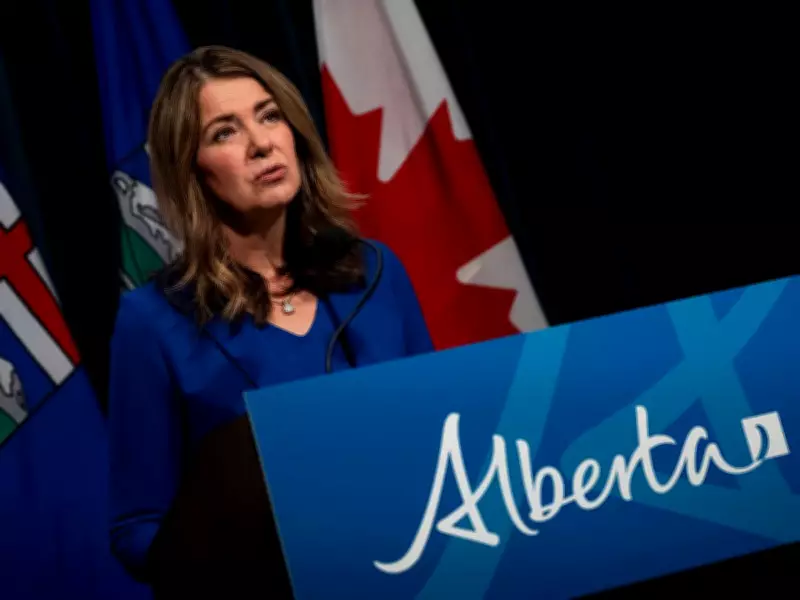
Alberta Premier Danielle Smith has issued a stark warning about "significant" deficits in her government's upcoming budget, with economic analysts projecting a shortfall approaching $10 billion. This announcement, scheduled for Thursday, highlights the province's persistent fiscal challenges that have become the norm rather than the exception in Alberta's financial management.
A Recurring Fiscal Reality
Despite political rhetoric emphasizing fiscal restraint, Alberta has experienced budget shortfalls in 13 of the last 18 annual budgets, with only five years showing surpluses during this period. This pattern reveals deep-seated budgeting pressures that have consistently challenged Alberta's leadership across multiple administrations and political parties.
"It's a difficult situation," said Charles St-Arnaud, chief economist at Edmonton-based Servus Credit Union. "We are already starting a budget process that is wider than what we had expected a year ago."

Historical Context and Current Projections
The province's fiscal history shows a dramatic shift from consistent surpluses to persistent deficits:
- 1997-2007: Annual budget surpluses fueled by robust oil prices
- 2008-2020: Continuous deficits with only one exception in 2014
- 2025: Return to deficit under Premier Smith's administration
Current projections indicate Alberta expects to run a $6.4-billion deficit for the 2025-26 fiscal year, up from initial estimates of $5.2 billion. St-Arnaud anticipates the 2026-27 budget will reveal a deficit just under $10 billion, aligning with broader economic forecasts.
Multiple Contributing Factors
Analysts identify several interconnected factors driving Alberta's latest fiscal challenges:
- Volatile oil prices creating revenue uncertainty
- Rapid population growth increasing demand for public services
- Lower tax structure compared to other provinces
- Major economic crises including the 2008 financial recession, 2015 oil price crash, and global pandemic
Population Growth and Spending Increases
Premier Smith has attributed substantial budget pressures to Alberta's rapid population growth, which she connects to former Prime Minister Justin Trudeau's immigration policies. The province has experienced population increases of approximately 4.5% annually over the past two years, significantly impacting demand for healthcare, education, and other public services.
This demographic shift has translated into dramatic spending increases, with provincial expenses ballooning from $60 billion in 2021-22 to $75 billion in the most recent budget. St-Arnaud confirms this connection, noting that "fiscal spending at the provincial level depends on population, and the population in Alberta has been growing by 4.5 percent over the past two years or so. That's a big shock on demand for public services."
Broader Political Implications
The persistent budget gaps create shaky fiscal footing for Alberta as the province approaches a potential independence referendum later this year. These financial challenges underscore the complex budgeting pressures that have long plagued Alberta's leaders, pressures likely to intensify amid global economic volatility and rising public service costs.
The repeated deficits highlight structural issues within Alberta's fiscal framework that transcend individual administrations, pointing to systemic challenges in balancing resource-dependent revenue with growing public service demands in a rapidly expanding province.






