Trump's Oil Sanctions Cripple Cuban Tourism, Leaving Beaches Deserted
The sun-drenched shores of Cuba, once bustling with international tourists, now lie eerily quiet. A severe fuel shortage, directly linked to U.S. sanctions reinforced under the Trump administration, has brought the island's vital tourism industry to a near standstill. This economic stranglehold is creating a profound crisis, with empty hotels and deserted beaches becoming the new normal.
A Nation Running on Empty
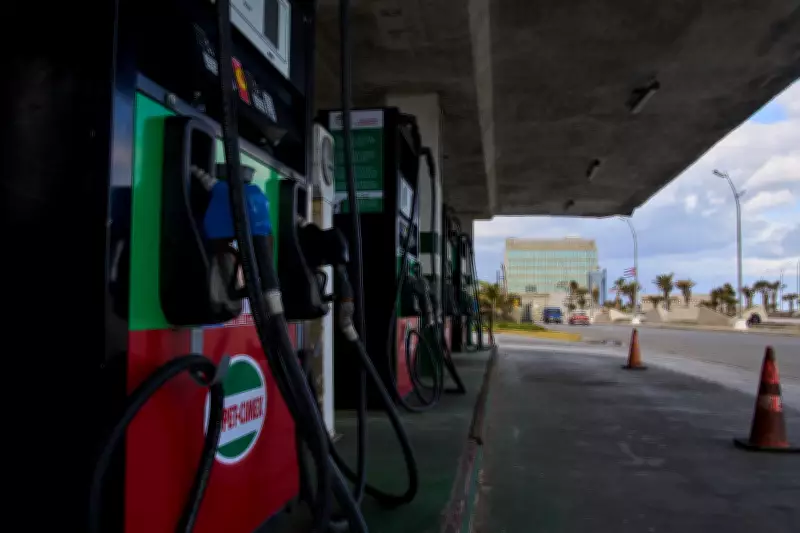
The impact is visible across Havana. Gas stations, like one photographed near the U.S. embassy in early February 2026, display signs reading "Sin Combustible"—out of fuel. This scarcity paralyzes transportation, making it exceedingly difficult for tourists to move around the island and for businesses to operate. The sanctions, which tightened restrictions on oil shipments to Cuba, have choked the supply chain, creating a domino effect that reaches every corner of the economy.
Tourism, which typically accounts for a significant portion of Cuba's foreign revenue, has collapsed. International visitor numbers have plummeted as travel becomes logistically fraught. Major hotel chains report occupancy rates in the single digits, forcing many to close wings or shutter entirely. The famed beaches of Varadero and the historic streets of Old Havana, usually teeming with life, are now largely vacant.

Deepening Economic Despair
Beyond the immediate tourism sector, the fuel crisis is crippling daily life and other industries. Agricultural production suffers from a lack of machinery fuel, threatening food security. Public transportation is unreliable, and power outages become more frequent as backup generators sit idle without diesel. The Cuban government faces mounting pressure as the population grapples with growing shortages and economic hardship.
Analysts note that the sanctions policy, a continuation of the Trump-era "maximum pressure" campaign, aims to destabilize the Cuban government. However, the primary burden is falling on ordinary citizens and the thousands employed in hospitality and related services. The situation underscores the fragile nature of an economy heavily dependent on both tourism and imported energy.
An Uncertain Future for the Island
The long-term outlook for Cuban tourism remains bleak without a significant shift in U.S. policy. While some niche travelers still visit, the mainstream market has evaporated. The island's reputation as an affordable, vibrant destination is being replaced by one of inconvenience and scarcity.
Key challenges facing the industry include:
- Transportation Gridlock: A critical lack of fuel for taxis, buses, and rental cars.
- Operational Hardships: Hotels and restaurants struggling to maintain services and source supplies.
- International Perception: Growing reports of difficulties deterring potential visitors.
- Economic Multiplier Effect: Collapse in tourism spending hurting local artisans, drivers, and guides.
As the standoff continues, Cuba's white-sand beaches serve as a stark symbol of an economy under siege, their emptiness a direct consequence of geopolitical tensions far from their shores.