

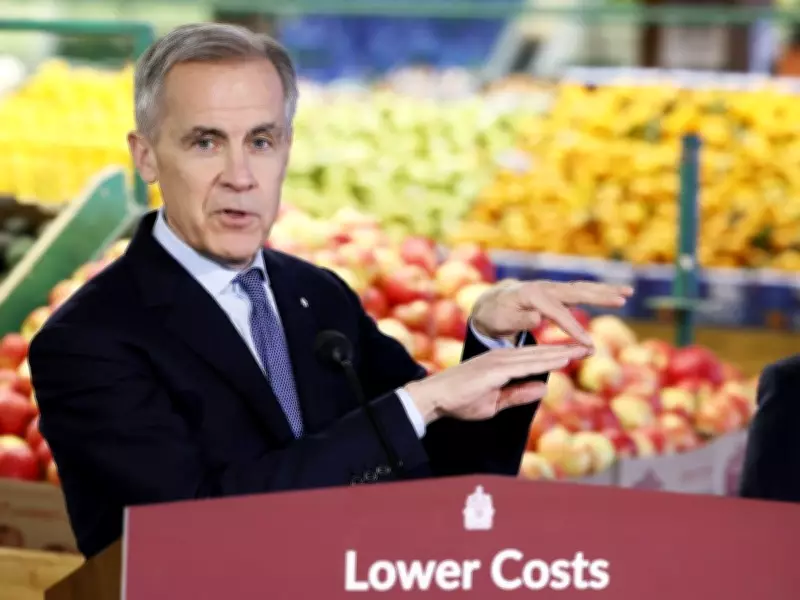
Canadian Affordability Crisis: Domestic Factors, Not Trump, Drive High Costs
In Canada's ongoing affordability crisis, three major contributors—food inflation, housing costs, and business growth—have little connection to U.S. President Donald Trump or his trade policies. Instead, domestic issues like overregulation and lack of competitiveness are primary drivers.
Food Inflation: A Domestic Problem
Food prices in Canada surged over seven percent in the past year, more than double the rate in the United States and about fifty percent higher than in Western Europe. This stark difference highlights internal factors at play.
Supply management systems for dairy, eggs, chicken, and turkey significantly increase retail costs by protecting domestic producers from foreign competition. These policies contribute more to price hikes than Trump's tariffs.

Additionally, the industrial carbon tax, which remains in effect unlike the consumer carbon tax that ended last year, has a noticeable impact on food prices. Overregulation in the agricultural sector further exacerbates the issue.
Competition and Property Restrictions
Canada's food market suffers from limited competition. Unlike other countries, Canada lacks a large number of big farms producing food at lower unit costs, and there is insufficient variety among grocery stores to drive prices down.
A key factor is property restrictions, where grocery store chains include clauses in leases that prevent landlords from renting to competitors within a set radius, often three kilometers. This restraint of competition keeps prices artificially high.
Housing Affordability Challenges
Housing affordability remains a critical issue despite falling prices in some markets. According to CIBC Economics, housing prices have declined—with Toronto condo prices dropping twenty-two percent year-over-year—yet many first-time homebuyers still find markets unaffordable.
Developers face losses if they build on land acquired at higher costs, creating a stalemate where both buyers and sellers are trapped. This dynamic complicates efforts to improve accessibility.
Ottawa's decision to curb the Trudeau government's open-door immigration policies and repatriate tens of thousands of visa holders has reduced demand, contributing to price decreases. However, structural issues persist.
Conclusion: Blaming the Wrong Factors
Canada's affordability crisis, marked by the highest food inflation in the G7, stems from domestic policies and market conditions. Factors like supply management, overregulation, and property restrictions are more influential than external elements such as Trump's trade wars or climate change. Addressing these internal challenges is crucial for improving affordability for Canadians.






