
Iran War May Cause Worst Recession in 40 Years
Economists warn a prolonged Iran conflict could push oil to $150, sparking global inflation and a severe economic downturn surpassing any in recent decades.


Economists warn a prolonged Iran conflict could push oil to $150, sparking global inflation and a severe economic downturn surpassing any in recent decades.

Despite President Trump's pledges of tax relief, a majority of Americans believe they are still paying too much in taxes, according to recent polling data.

In a critical analysis, Bjorn Lomborg argues that global institutions like the World Bank and IMF should prioritize economic development and poverty alleviation over climate-focused initiatives that don't address immediate needs of the world's poorest pop

New data from Statistics Canada reveals a concerning increase in income inequality across the nation last year, highlighting persistent economic disparities between affluent and low-income households.

Shared lists with real-time sync. No signup needed — just open and shop together.
Recommended
British Columbia establishes a task force to respond to economic disruptions from the Iran war, focusing on price shocks and supply chain stability.

A new MNP report reveals 59% of Albertans feel their financial plans are being disrupted by global economic instability, highlighting widespread financial stress in the province.

Non-profit organizations across the Maritimes are facing severe financial strain due to escalating gas prices, impacting their ability to deliver essential services and support communities.

President Trump's White House event with a DoorDash driver intended to promote tax cuts instead spotlighted surging gas prices, exacerbated by Middle East tensions, squeezing transportation gig workers nationwide.

RBC economists report Canadians' shift to domestic travel is boosting the economy with increased spending on dining, accommodation, and rentals, but warn this trend may not last indefinitely.
Shared lists with real-time sync. No signup needed — just open and shop together.
Recommended
New data from Statistics Canada reveals a significant increase in wealth and income inequality across the country in 2025, highlighting persistent economic disparities.

The U.S.-Iran conflict over the Strait of Hormuz is causing global market disruptions that will lead to significant food price increases for Canadians over the coming months, affecting produce, meat, dairy, and staples.
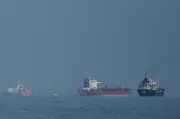
The global economy is now in a stronger position to withstand potential oil price shocks, with a higher threshold for entering a recession, according to recent analyses.

With fuel costs soaring due to Middle East conflict, Canadians face difficult tradeoffs. Analysts suggest reduced consumption could help balance supply and demand, but prices may remain elevated for months or years.

Ireland's government announces fuel cost relief measures, including excise duty cuts and postponing a carbon tax increase, following widespread protests and blockades over rising prices.
Shared lists with real-time sync. No signup needed — just open and shop together.
Recommended
In Haiti, citizens are reducing already limited food supplies as fuel price hikes threaten survival, highlighting deepening economic hardships in the Caribbean nation.

Protests over soaring fuel costs in Ireland have led to major road closures and fuel shortages, with over a third of service stations dry. The government is in talks as blockades continue.

A new United Nations report highlights a growing global economic divide, with disparities between wealthy and developing nations increasing despite international efforts.
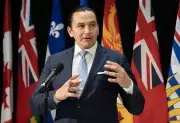
Manitoba's 2026 budget will eliminate PST on all grocery items starting July 1, fulfilling an NDP pledge. Business groups urge further tax reductions to stimulate economic growth.

Alberta's unemployment rate increased marginally in March 2026, yet continues to outperform the national average, reflecting ongoing economic resilience amid broader labor market shifts.
Shared lists with real-time sync. No signup needed — just open and shop together.
Recommended
Pawn shops across the U.S. report increased loan demand as rising fuel costs squeeze household budgets, revealing consumer strain not captured in official statistics.

Rising gas prices have triggered the largest monthly inflation increase in the United States in four years, impacting consumers and economic stability.

Windsor, Ontario, sees a rise in unemployment in March 2026, reflecting broader economic challenges and local labor market adjustments.

Canadian consumer confidence hits 11-month low as U.S. economic pressures, tariff plans, and Middle East tensions create uncertainty, with economists fearing global slowdown.

Statistics Canada reports the economy gained 14,000 jobs in March, marking the first monthly increase after steep losses earlier in the year, while the unemployment rate remained at 6.7 percent.
Shared lists with real-time sync. No signup needed — just open and shop together.
Recommended
Consumer prices surged 3.3% in March, driven by the largest monthly gas price increase in 60 years. The Federal Reserve faces heightened challenges as inflation moves further from its 2% target.

The Canadian economy added 14,000 jobs in March 2026, keeping the unemployment rate unchanged at 6.7%. This modest growth reflects ongoing labor market stability amid broader economic conditions.
The Canadian economy saw a modest gain of 14,000 jobs in March 2026, with the unemployment rate remaining unchanged. This data reflects ongoing labor market stability amid broader economic discussions.

Statistics Canada is set to publish March 2026 employment figures, following a turbulent beginning to the year for the Canadian labor market, with implications for economic policy and recovery.

The International Monetary Fund cautions that the conflict in Iran is darkening the world economic outlook, regardless of ceasefire stability, potentially hindering global growth.
Shared lists with real-time sync. No signup needed — just open and shop together.
Recommended
A new survey reveals that nearly 39% of Canadians want the federal government to cut fuel taxes as the top response to rising gasoline prices, which have surged 48% in 2026 due to global conflicts.
