Trump's Tax Relief Promise Meets Public Skepticism as Polls Reveal Widespread Dissatisfaction
President Donald Trump has consistently championed tax relief as a cornerstone of his economic agenda, yet recent polling indicates that a significant majority of Americans remain unconvinced, believing they are still overpaying on their federal taxes. This disconnect between political promises and public perception highlights ongoing concerns about the tax burden faced by ordinary citizens.
The Promise of Relief and the Reality of Perception
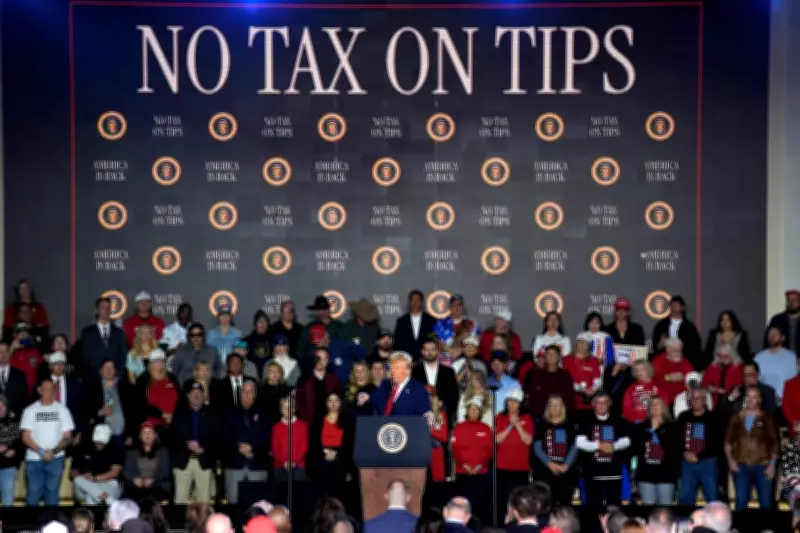
During a recent economic address at the Circa Resort and Casino in Las Vegas on January 25, 2025, President Trump reiterated his commitment to reducing the tax load for American families and businesses. He framed tax cuts as essential for stimulating economic growth, increasing disposable income, and enhancing overall financial security. However, despite these assurances, polling data reveals a persistent sentiment among taxpayers that the system remains skewed against them.
The polling results show that most Americans feel their tax contributions are excessive, with many expressing frustration over complex tax codes, perceived inequities, and a lack of tangible benefits from previous tax reforms. This sentiment cuts across demographic lines, suggesting a broad-based issue that transcends political affiliations.

Analyzing the Factors Behind Public Discontent
Several key factors contribute to this widespread feeling of overpayment:
- Complexity and confusion surrounding tax regulations, which make it difficult for individuals to understand what they owe and why.
- Perceptions of inequitable distribution, with some believing that wealthier individuals or corporations benefit disproportionately from tax policies.
- Concerns about government spending and efficiency, leading taxpayers to question whether their money is being used effectively.
- The impact of inflation and economic pressures, which can erode the real value of any tax relief provided.
These elements combine to create a climate of skepticism, where promises of tax reduction are met with doubt rather than optimism. The gap between policy announcements and lived experiences appears to be widening, fueling public discontent.
The Broader Implications for Economic Policy and Public Trust
This polling data underscores a critical challenge for the Trump administration and policymakers nationwide: bridging the divide between legislative actions and public perception. When citizens feel overburdened by taxes, it can lead to decreased confidence in government institutions, reduced consumer spending, and heightened political polarization.
Addressing these concerns requires more than just rhetorical assurances; it demands transparent communication, simplified tax processes, and demonstrable improvements in how tax revenues are allocated. Without such efforts, the disconnect between promise and reality may continue to grow, potentially undermining future economic initiatives.
As the debate over tax policy evolves, the voices of American taxpayers will remain a crucial barometer of success. For now, the message from the polls is clear: despite the promises of relief, many still feel the weight of the tax burden, calling for a reevaluation of how fiscal policies are crafted and communicated.