





Trump's DoorDash Stunt Shifts Focus to Fuel Price Crisis for Working Class
President Donald Trump hosted a DoorDash delivery driver at the White House on Monday, aiming to champion Republican tax policy. However, the carefully orchestrated photo opportunity inadvertently underscored a pressing economic issue the administration has largely avoided addressing: the dramatic surge in fuel costs burdening the working class.
Gas Prices Skyrocket Amid Middle East Tensions
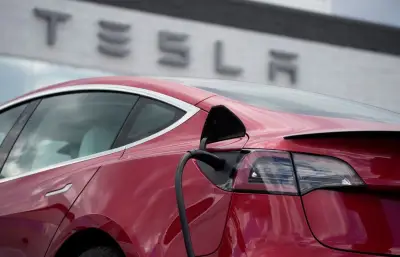
Fuel prices have experienced a sharp and sustained increase since late February, when the Trump administration, in coordination with Israel, initiated military action against Iran. The national average for a gallon of gasoline has now climbed to $4.13, representing an increase of approximately one dollar per gallon compared to pre-invasion levels.
This significant rise in fuel expenses is placing considerable financial strain on transportation gig workers, including the very DoorDash driver who delivered President Trump's McDonald's order during the event. The situation has become so severe that DoorDash recently implemented an emergency gas relief program to assist its drivers in coping with what many are calling a Trump-induced energy crisis. This initiative provides a weekly stipend specifically for drivers who accumulate high mileage.
Tax Cut Promotion Overshadowed by Economic Reality
The White House intended the event to promote the Working Families Tax Cut Act, previously known as the One Big Beautiful Bill Act. In an official statement, the administration claimed the driver, Sharon Simmons of Arkansas, benefited significantly from tax deductions for tips when filing her return this April.
"Sharon is just one of the millions of American workers who are seeing the real results of President Trump's signature Working Families Tax Cuts," the White House asserted. Yet, this message was largely drowned out by the palpable reality of escalating fuel costs for workers like Simmons.
Ceasefire Stalemate and Oil Market Volatility
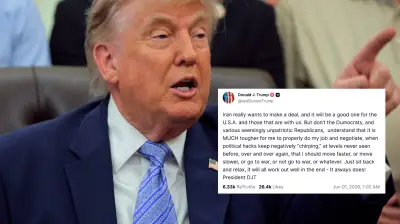
President Trump further diverted attention from the tax narrative by fielding press questions with Simmons standing awkwardly beside him outside the Oval Office. When queried about the faltering ceasefire with Iran, Trump identified Tehran's nuclear ambitions as the primary "sticking point" in negotiations.
"Iran will not have a nuclear weapon," Trump declared to reporters after accepting two bags of fast food. "And we agreed to a lot of things, but they didn't agree to that. And I think they will agree to it, I'm almost sure of it."
This ongoing geopolitical instability continues to roil global oil markets. Crude oil prices initially dipped following a tentative ceasefire deal last week but surged again over the weekend after President Trump announced a U.S. blockade of the Strait of Hormuz. Iran has previously throttled this crucial oil shipping route during the conflict. On Monday, the price of Brent crude oil was hovering around the critical benchmark of $100 per barrel.
Broader Economic Impact and Worker Testimonies
The repercussions of high gas prices extend far beyond the pump. Increased fuel costs have a cascading effect throughout the economy, driving up prices for groceries, utilities, and other essential goods and services. Data released Friday by the Labor Department revealed that March experienced the most significant monthly inflation spike in four years.
Many workers are already feeling this economic pinch acutely. Last month, a DoorDash driver in suburban Atlanta shared with HuffPost that rising fuel costs compelled him to work longer hours simply to maintain his pre-war earnings level. The higher gas prices added approximately $15 to his weekly driving expenses.
"It's not life-changing, but it's probably about an extra hour or hour-and-a-half of working," explained the driver, 33-year-old Joshua Elliott. "That's time I was going to relax. Now I've got to go out and work instead. I feel the grind more."
This firsthand account underscores the tangible human cost of the current fuel crisis, a narrative that ultimately overshadowed the White House's intended tax policy promotion during Monday's event.