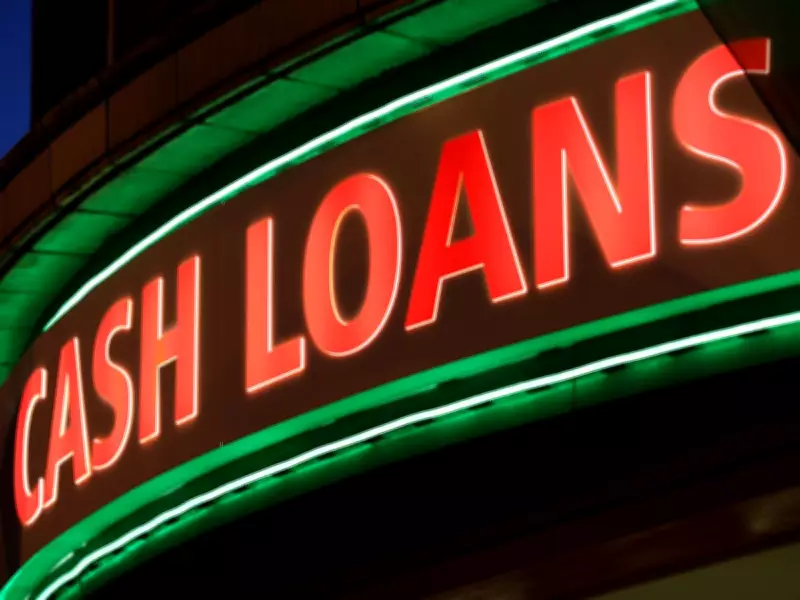
Pawn Shop Loans Surge as High Gas Prices Strain American Households
Pawn shop owners nationwide are reporting a significant increase in demand for loans over the past month, highlighting how punishing higher gas prices have become for many Americans. This trend serves as an early warning signal about consumer financial strain that often goes unnoticed in official economic statistics.
Immediate Financial Pressure at the Pump
"We're making a lot more loans," said Tim Cassidy, the fourth generation operator of Cassidy's Jewelery & Loan in Stockton, California. "People have to have that gas to get to work. They're coming in because they need immediate cash to cover basic transportation costs."
Lower-income households spend a disproportionately large portion of their earnings on fuel compared to wealthier families, making them particularly vulnerable when pump prices spike. The national average gasoline price has surged from $2.984 per gallon before the Iran conflict to $4.166 as of April 8, leaving some Americans without sufficient funds to fill their tanks, pay utility bills, or purchase groceries.

Inflation Data Confirms Broader Economic Pressure
The Bureau of Labor Statistics recently reported that U.S. inflation increased in March by the most substantial margin in nearly four years, with rising gas prices serving as a primary driver. This economic pressure isn't limited to lower-income households alone.
"Expensive watches are coming in a little bit more frequently," observed Abigail Mielcarek, co-founder of Abby's Pawn and Coin in Santa Rosa, California. "Some of the people who have more money are also feeling what's going on. The middle class is definitely feeling the pinch based on what we're seeing come through our doors."
Pawn Shops as Economic Indicators
Pawn businesses provide timely insights into consumer financial stress that may not be immediately apparent in government statistics, which often mask the experiences of different socioeconomic groups and are typically released with a delay. These establishments issue short-term loans in exchange for collateral—items ranging from gold jewelry and musical instruments to tool kits and electronics.
Interest rates vary significantly by state, with monthly averages ranging from 3% to 25%, which can translate to annual percentage rates as high as 300%. Despite these costs, many Americans turn to pawn shops because they cannot secure small bank loans for just a few hundred dollars, lack established banking relationships, or would not pass conventional credit checks.
Historical Patterns and Current Trends
Tim Cassidy, whose family-run shop has operated since approximately the time Ford launched its Model T, has observed this pattern repeatedly throughout his 82 years in the business. "A lot of people live very close to the edge," Cassidy noted. "When gas prices go up, it's bad for consumers but good for our industry."
Brian C. McNamara, an analyst at Canaccord Genuity who covers publicly traded pawn operators Ezcorp Inc. and FirstCash Holdings Inc., describes the pawn industry as "countercyclical." He explains, "If pawn shops are doing well, it probably means that some part of the economy is not."
In his quarterly survey of 47 locations across the thousands of shops operated by these companies, McNamara found approximately one-quarter were busier during the first quarter compared to the same period last year, while only 12% reported decreased activity. This week, he raised his price target for FirstCash to $242 from $240 and for Ezcorp to $40 from $34.
Market Performance and Loan Statistics
Shares in both major pawn operators are currently trading at five-year highs, supported by robust revenue growth and what McNamara characterized as management's "solid execution." The average loan amount at FirstCash last year was $312, while Ezcorp's average loan stood at $209.
"Everything is so tight for these borrowers," explained Stacy Vanegas Vazquez, head of marketing at Sunbelt Pawn, which operates 19 stores across Texas. "They need relatively small amounts of cash to bridge gaps in their household budgets, particularly when unexpected expenses like gas price increases hit."

Interestingly, most pawnshop owners interviewed reported they haven't yet seen significant increases in loan defaults, suggesting that while consumers are turning to these services more frequently, they're still managing to repay their obligations—at least for now.
This surge in pawn activity provides a real-time window into how American households are coping with inflationary pressures, particularly those related to essential transportation costs that affect nearly every working adult in the country.