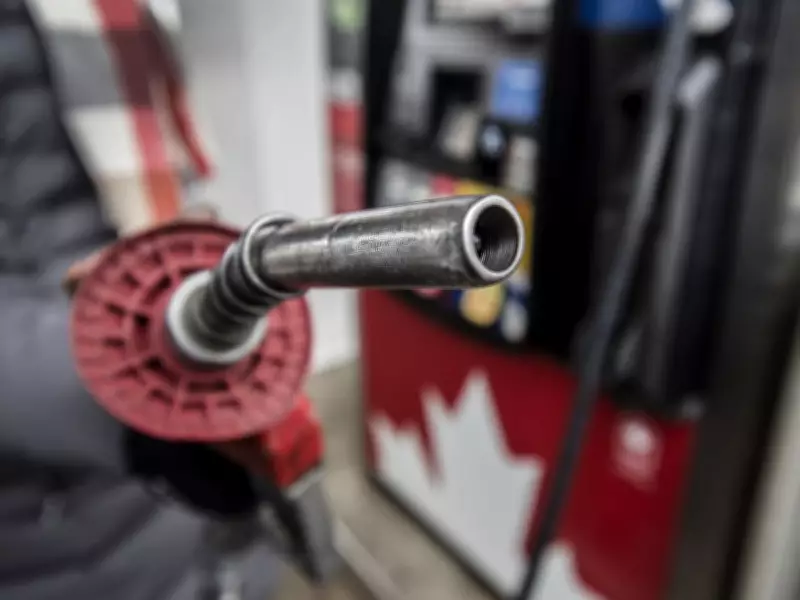
Canadians Overwhelmingly Support Fuel Tax Reductions Amid Price Hikes
A recent national poll indicates that Canadian citizens strongly favor reductions in federal fuel taxes as the primary governmental response to escalating gasoline costs. According to the Nanos Research Group survey conducted for Bloomberg News, nearly 39 percent of respondents identified cutting fuel-related taxes as their preferred course of action for Prime Minister Mark Carney's administration.
Survey Details and Alternative Proposals
The comprehensive survey, which involved 1,099 Canadians through telephone and online methods between March 31 and April 4, carries a margin of error of plus or minus 3 percentage points, 19 times out of 20. Following tax cuts, the second most popular response was increasing investment in long-term energy alternatives, supported by 22 percent of participants.
Additional measures receiving significant backing included temporary financial relief programs such as rebates and credits for drivers, expanded incentives for electric vehicle purchases, and enhanced public transit incentives. Each of these options garnered 9.4 percent support among those surveyed.

Economic Context and Political Pressure
The push for tax relief comes against a backdrop of severe economic strain. Gasoline prices in Canada have surged 48 percent since the beginning of 2026, largely driven by global energy market disruptions following the war in Iran. This sharp increase has exacerbated existing affordability concerns that have dominated political discourse for years.
Conservative Leader Pierre Poilievre has publicly advocated for suspending federal fuel levies, arguing that such action would align Canadian prices more closely with those in the United States. Currently, gasoline carries a federal excise tax of 10 Canadian cents per liter, plus an additional 5 percent Goods and Services Tax.
Household Impacts and Broader Economic Concerns
The Nanos poll reveals significant behavioral changes among Canadian consumers due to rising fuel costs. More than one-third of Canadians report driving less frequently because of higher prices, while 16 percent indicate they are cutting other areas of spending to accommodate increased transportation expenses.
These adjustments place additional strain on Canada's economy, which is already contending with challenges from tariff disputes with the United States. Multiple export sectors continue to struggle with recovery following last year's levies, while labor and housing markets remain soft.
Fiscal Implications and Government Response
Prime Minister Carney has stated that his government remains focused on de-escalating international conflicts while simultaneously exploring ways to help cushion the blow for Canadians. Although cabinet ministers have not ruled out reductions to fuel charges, significant fiscal considerations complicate such decisions.
Randall Bartlett, senior director of Canadian economics at Desjardins Securities, estimates that eliminating federal gasoline taxes would cost approximately $7 billion annually. With the federal government already projected to run a $65.4 billion deficit this fiscal year, Bartlett emphasizes that any measures will need to be tempered and temporary given the strained fiscal environment.
Long-Term Policy Tensions
The current situation creates tension between immediate relief measures and longer-term economic priorities. While economists, investors, and international organizations like the International Monetary Fund have shown some tolerance for deficit spending on productivity-enhancing initiatives, revenue losses from gas tax cuts would directly impact government coffers.
This presents a political dilemma for the Carney administration, which has prioritized boosting long-term productive capacity and real wages. Rising public pressure for near-term support risks crowding out these structural priorities, creating complex policy decisions in an already volatile economic landscape.