
Ottawa Spring Fiscal Update: Lower Deficit, Affordability
Canada's spring fiscal update projects a $66.9B deficit, $11.5B lower than expected, with new affordability measures and skilled trades funding.


Canada's spring fiscal update projects a $66.9B deficit, $11.5B lower than expected, with new affordability measures and skilled trades funding.
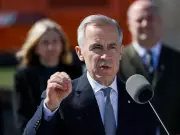
The Canadian government will release its spring economic update Tuesday, featuring lower deficit figures and details on the new $25-billion Canada Strong Fund.
Brian Lilley argues Mark Carney's new Canada Strong Fund is just another bureaucracy, adding to a long list of similar government funds without delivering real change.
Explore Canada's lost decade through 13 economic charts, labour unions back anti-separatist petition, Mark Carney announces sovereign wealth fund, and more.

Shared lists with real-time sync. No signup needed — just open and shop together.
Recommended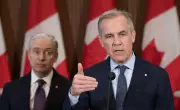
Prime Minister Mark Carney is set to unveil Canada's first sovereign wealth fund, aiming to invest resource revenues for future generations.
Provincial deficits are climbing across Canada, with PEI posting the largest shortfall in history at 4% of GDP. Combined deficits could reach 1.4% of GDP, driven by rising healthcare costs.
The Bank of Canada is expected to hold its key interest rate steady as it navigates economic uncertainty from the Iran war shock, according to analysts.

The C.D. Howe Institute's shadow board recommends the Bank of Canada keep rates at 2.25% and raise to 2.5% in March 2027, citing uncertainty over the Iran war and oil prices.
Prime Minister Carney and Ontario Premier Ford show resolve in trade talks, but experts suggest using leverage like booze bans to secure jobs and certainty.
Shared lists with real-time sync. No signup needed — just open and shop together.
Recommended
Tegan Hill argues that DRIPA legislation fuels uncertainty over property rights in B.C., urging Premier Eby to repeal it to restore economic stability.
Jake Fuss argues that 'eat the rich' tax proposals, like those from NDP's Avi Lewis, are economically destructive and won't benefit workers.

Alberta Premier Danielle Smith resists pressure to cut fuel tax, showing fiscal restraint. Chris Nelson argues this backbone is rare, contrasting with federal cuts and Norway's savings.
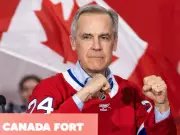
Prime Minister Mark Carney's evolving positions on negotiations with the United States over the Canada-U.S.-Mexico Agreement have led to widespread uncertainty as deadlines pass without resolution.
A U.S. Federal Reserve nominee commits to combating inflation, even as former President Trump renews calls for interest rate cuts that could exacerbate price pressures, highlighting a key economic policy divide.
Shared lists with real-time sync. No signup needed — just open and shop together.
Recommended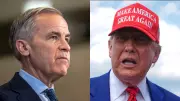
Prime Minister Mark Carney says Canada's strong economic reliance on the U.S. has become a vulnerability due to trade tensions and tariffs, pledging efforts to diversify trade and investments.

A proposal to tax Canadian emigrants up to $500,000, presented at the Liberal national convention, faces criticism for being unconstitutional and ineffective in addressing economic challenges.

President Trump promotes temporary tax cuts on tips and overtime, but analysis shows most benefits go to higher-income groups, while tariffs and gas prices hurt households.

The federal fuel tax cut has officially begun, sparking varied responses in Saskatchewan. While some welcome relief at the pump, others express concerns over long-term impacts on provincial revenues and environmental policies.

Former President Donald Trump warns he will fire Federal Reserve Chair Jerome Powell if he does not step down when his term ends, amid a DOJ investigation into Fed headquarters renovation.
Shared lists with real-time sync. No signup needed — just open and shop together.
Recommended
Conservative leader Pierre Poilievre's proposal for a federal fuel tax holiday to address gas price spikes faces criticism for its $5.25 billion cost and potential to undermine long-term infrastructure investments like high-speed rail.

A new analysis reveals that former President Donald Trump's tariff policies have inflicted significant economic harm on American consumers and businesses, with costs outweighing benefits.
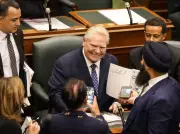
Ontario Premier Doug Ford's 2026 budget adds $25.8 billion to provincial debt, raising total to $485.1 billion. Critics label Ford as Canada's corporate welfare king, with unemployment at 7.6% despite billions in business subsidies.
The Carney government plans to spend $67.6 billion more than Trudeau's projections, leading to deficits over $321 billion and debt reaching $2.9 trillion by 2030, according to a new fiscal analysis.

Finance Minister Francois-Philippe Champagne emphasizes that boosting financial trade with China is crucial for Canada's broader economic diversification strategy, amid consultations on a new National Anti-Fraud Strategy.
Shared lists with real-time sync. No signup needed — just open and shop together.
Recommended
An economic analysis reveals that preferential public procurement policies, like 'Buy Canadian,' may increase costs by billions, impacting healthcare and education funding.
Conservative Leader Pierre Poilievre has unveiled a plan calling for temporary suspension of federal fuel taxes and elimination of the Clean Fuel Standard to provide immediate relief from soaring gas prices.

The Social Security system is projected to pay only 77% of benefits after 2033, sparking calls for fundamental reform that grants Americans ownership of their retirement funds.

A top Global Fund official cautions that shifting foreign aid to private capital has significant limitations, amid broader discussions on health funding and economic policies.
Finance Minister Peter Bethenfalvy presents Ontario's 2026 budget, addressing U.S. trade tensions, slowing GDP growth, and job losses while introducing new housing and education measures.
Shared lists with real-time sync. No signup needed — just open and shop together.
Recommended
A UBC professor proposes lowering the income threshold for phasing out Old Age Security, potentially saving billions in federal spending while sparking debate on senior support.
