

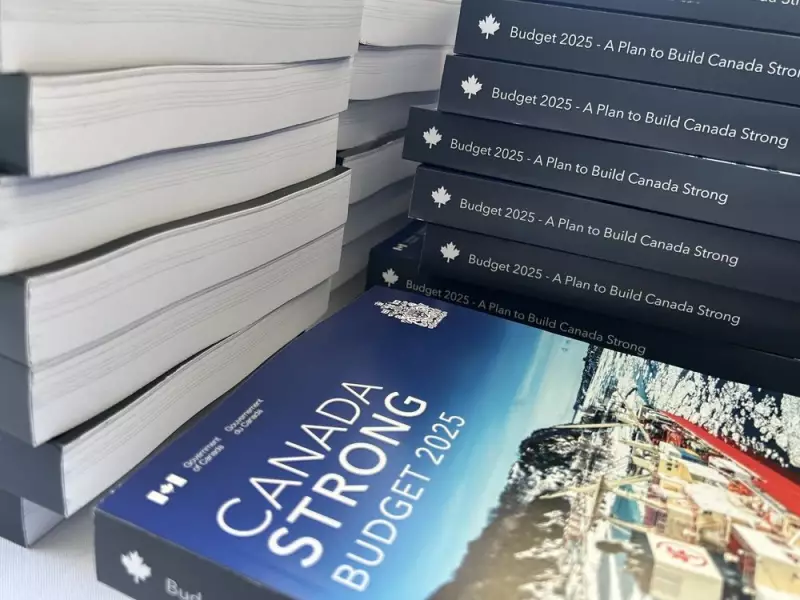
As the holiday season arrives, some policy experts have a clear wish for Canada: a return to slimmer, more transparent federal budgets. The initial fanfare surrounding the November 2025 federal budget, touted as a "generational" shift, has dissipated, revealing a document critics say is packed with familiar fiscal disappointments and excessive length.
The Growing Problem of Budget Bloat
The central complaint from analysts like Nick Dahir and Bill Robson is the document's sheer size and lack of clarity. The PDF version of the November 2025 budget stretched to 493 pages, continuing a trend of increasingly voluminous publications. This represents a dramatic increase from budgets of the past, such as the 84-page document in 1971 or the 53-page budget in 1980.
This growth is not merely a matter of paper. Experts contend that the key numbers—projections for revenue, expenses, and the resulting annual surplus or deficit—are buried deep within these tomes, often appearing only after hundreds of pages of political messaging, previously announced measures, and extraneous material. Since 2005, these crucial figures have been placed late in the document, and since 2015, they have been relegated to an annex.

Failing Grades for Fiscal Transparency
The decline in budget clarity is reflected in formal report cards. The C.D. Howe Institute's annual report on government transparency and accountability has recently given Ottawa low grades, including Ds and even an F for the missing 2020 budget. These scores mark a fall from grace for a government that was once considered a leader in providing clear and timely fiscal numbers.
The consequence of this opacity is significant. A good budget, argue the experts, is short and to the point, with key numbers presented upfront. This allows legislators and citizens to easily answer fundamental questions about spending increases, revenue changes, and the plan's impact on public services. The current format, however, turns the budget into a "murder mystery" where suspense is not a virtue, potentially causing non-experts to give up or misinterpret partial figures presented earlier in the document.
A Call for a Return to Brevity and Clarity
The authors emphasize that these overgrown documents are a political choice, not a necessity. They point to the federal government's own year-end financial statements, which present all key numbers within the first dozen pages, as a model of clarity that budgets could easily follow.
Furthermore, they note that several provincial and territorial governments have resisted the temptation to bloat their budgets. In 2025, the budgets of Newfoundland and Labrador, Nova Scotia, New Brunswick, Saskatchewan, Northwest Territories, and Nunavut were all under 100 pages, proving that covering complex areas like health and education does not require excessive length.
The plea from these fiscal watchers is simple: for the sake of democratic accountability and informed public debate, Canada needs its federal budgets to go on a diet. The wish for Christmas and the new year is a return to concise, focused documents where the numbers that matter are easy for everyone to find.






