U.S. Treasury Chief Advocates for Calm Amid Greenland Controversy
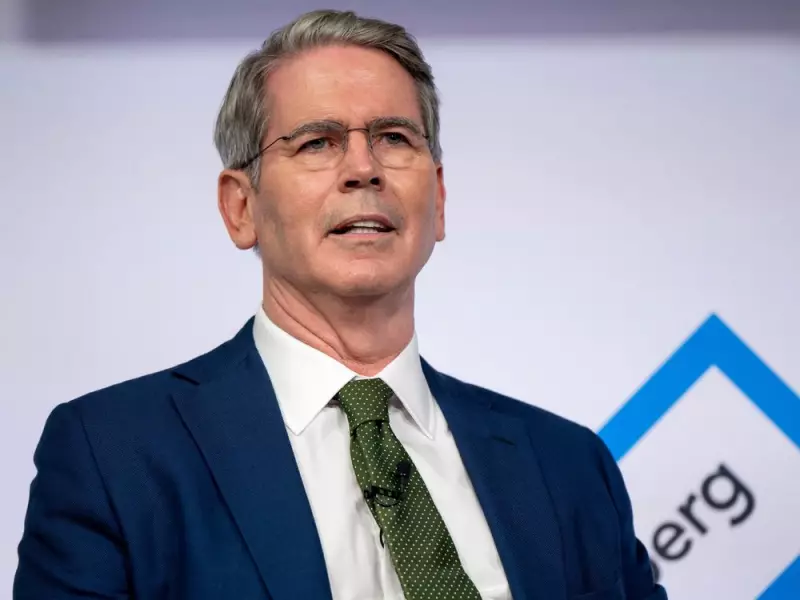
U.S. Treasury Secretary Scott Bessent has called for a measured approach to the growing diplomatic rift surrounding former President Donald Trump's ambitions regarding Greenland. Speaking at the World Economic Forum in Davos, Switzerland, Bessent urged international allies to honor existing trade agreements and dismissed suggestions that European nations might retaliate by selling off U.S. treasury holdings.
Downplaying Market Concerns
Bessent specifically addressed reports that European countries could potentially sell U.S. treasuries as a countermeasure to Trump's renewed tariff threats. He characterized such speculation as a "false narrative" that "defies any logic." The Treasury Secretary expressed strong disagreement with this scenario, emphasizing his confidence that leaders would not escalate tensions to that degree.
"I am confident that the leaders will not escalate, and that this will work out in a manner that ends up in a very good place," Bessent stated during a Tuesday press conference at the international gathering.

Historical Parallels Drawn
The Treasury Secretary drew comparisons between the current situation and what he described as the "hysteria" that followed Trump's April announcement of sweeping country-by-country tariffs last year. That previous policy move had sparked significant market and political backlash.
"This is the same kind of hysteria that we heard on April 2," Bessent remarked. "There was a panic. And what I'm urging everyone here to do is sit back, take a deep breath, and let things play out."
European Response and Market Implications
The controversy stems from Trump's threat of tariffs against allies who have opposed his bid to acquire the Danish territory of Greenland. This has prompted alarm among European leaders, with French President Emmanuel Macron discussing the potential use of the European Union's anti-coercion instruments as a response. However, German Chancellor Friedrich Merz has tempered such suggestions.
Market analysts note that European countries hold trillions of dollars in U.S. bonds and stocks, with some of these assets managed by public sector funds. This substantial financial exposure has fueled speculation about possible asset sales as a retaliatory measure, which could potentially drive up U.S. borrowing costs and depress equity markets given America's reliance on foreign capital.
Strategic Considerations and Future Outlook
Despite the rhetoric, most market strategists believe there is a low probability that European policymakers would ultimately take such drastic action. This assessment stems from their general reluctance to confront Trump directly since his return to power a year ago. Any weaponization of European holdings of U.S. assets would represent a significant escalation, transforming what has been primarily a trade conflict into a direct financial confrontation affecting capital markets.
Bessent emphasized the importance of maintaining existing trade agreements, stating: "What President Trump is threatening on Greenland is very different than the other trade deals, so I would urge all countries to stick with their trade deals. We have agreed on them, and it does provide great certainty."
The Treasury Secretary's defensive posture highlights the complex diplomatic challenges awaiting Trump as he prepares to engage with international leaders at Davos. The situation continues to evolve as global markets monitor both the geopolitical tensions and potential economic implications of this unusual territorial dispute.