The Government of Quebec has announced it will align with the federal government's decision to postpone a planned increase to the capital gains tax. The hike, which was a point of significant discussion, will now not take effect until the year 2026.
Federal Alignment on Fiscal Policy
This move by Quebec's provincial government mirrors the decision made by Ottawa, creating a unified fiscal approach on this specific tax measure. The delay provides a clear timeline for investors, entrepreneurs, and corporations who are planning their financial strategies. The new implementation date is set for 2026, offering a multi-year window for adjustment.
The announcement underscores the coordination between federal and provincial finance ministries on major economic policies. By synchronizing the timeline, the governments aim to prevent interprovincial policy arbitrage and provide certainty across the Canadian economic landscape.

Context and Implications for Taxpayers
A capital gains tax is levied on the profit made from selling an asset that has increased in value. The proposed increase would affect the inclusion rate—the portion of the gain that is subject to tax. While the exact details of the Quebec implementation will follow the federal framework, the delay itself is the critical news for the financial community.
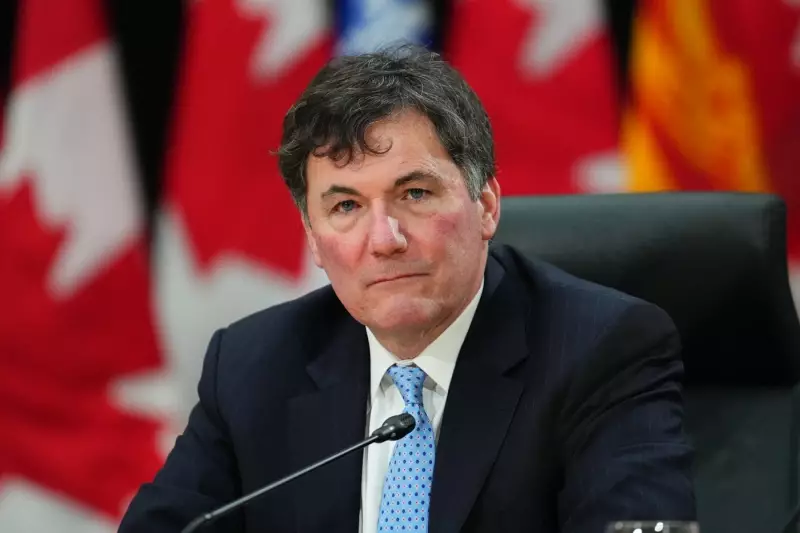
Finance Minister Dominic LeBlanc has been a central figure in these fiscal discussions. His involvement highlights the policy's importance within the government's broader economic agenda. The postponement suggests a careful consideration of current economic conditions, including factors like inflation, interest rates, and investment climate.
Looking Ahead to 2026
The two-year deferral signals a period of stability for capital markets in Quebec. Businesses and individuals contemplating asset sales or significant investments now have a confirmed policy horizon until the start of 2026. This can influence decisions related to real estate, business succession, and investment portfolio management.
Analysts suggest the delay allows for more comprehensive consultation with stakeholders and for the economy to potentially absorb other concurrent policy changes. It also moves the implementation date beyond the immediate political cycle, potentially depoliticizing the measure to a degree. The focus now shifts to how both levels of government will communicate the specifics of the change as 2026 approaches, ensuring a smooth transition for all affected parties.