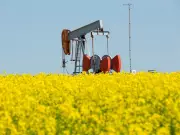
Alberta Oil and Agriculture Boost Canada's Economy
Alberta's energy and agricultural sectors are providing stability to Canada's slowing economy, with the province facing the lowest U.S. tariffs and strong growth projections through 2027.


Alberta's energy and agricultural sectors are providing stability to Canada's slowing economy, with the province facing the lowest U.S. tariffs and strong growth projections through 2027.

Deloitte projects modest economic growth for 2026, highlighting persistent uncertainties from the Iran conflict and global trade tensions that continue to linger.

Deloitte Canada has revised its 2026 economic growth forecast downward to 1.2% from 1.5%, citing uncertainties from the U.S.-Israel-Iran conflict and the upcoming CUSMA review.

Economist William Watson argues that user-pay infrastructure funding is both equitable and economically efficient, using the Chicago Bears' potential stadium move as a case study against public subsidies.

Shared lists with real-time sync. No signup needed — just open and shop together.
Recommended
Diesel prices in British Columbia have nearly doubled since December, affecting truck drivers like Josh Pearson and threatening broader economic consequences including higher grocery costs and potential interest rate hikes.

As April begins, Ottawa residents face higher costs on several fronts, from federal taxes to local services. This overview details the key increases impacting household budgets in the capital.

While Canada expresses political opposition to Donald Trump, its economic policies increasingly reflect his belief in government-led economic planning, with major investments in housing, transit, and industrial strategies.

Analysis reveals Ontario's Progressive Conservative government under Doug Ford continues high spending and deficit policies similar to previous Liberal administrations, with worsening fiscal metrics.

Canada's economy shows stronger-than-expected GDP growth in early 2026, with economists estimating first-quarter expansion between 1.4% and 1.8%, aligning with Bank of Canada projections.
Shared lists with real-time sync. No signup needed — just open and shop together.
Recommended
Canada's economy grew 0.1% in January, slightly above expectations, with goods-producing industries expanding for the second consecutive month. Statistics Canada reported gains in mining, construction, and utilities.
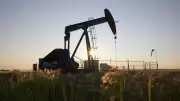
Statistics Canada reports a slight 0.1% increase in real GDP for January 2026, reflecting cautious economic momentum amid ongoing global uncertainties.

With global conflicts and seasonal shifts driving up fuel costs, countries worldwide are temporarily reducing gas taxes. This report examines whether Canada should adopt similar relief measures for consumers.

Federal Reserve Chair Jerome Powell states the central bank is closely watching rising energy costs but has restricted capacity to directly intervene, highlighting broader economic monitoring efforts.

Rising fuel costs are creating financial strain for drivers who rely on personal vehicles for work, from Uber drivers to delivery workers, as expenses cut into earnings.
Shared lists with real-time sync. No signup needed — just open and shop together.
Recommended
The Dubai government has unveiled a substantial economic support package exceeding $270 million to assist businesses and families, as regional conflicts impact the local economy.

G7 finance and energy ministers held an unprecedented joint meeting with central bankers to assess economic shocks from the Iran war, including oil price volatility and inflation pressures.

New data reveals Canadian seniors now have higher incomes than young adults, while youth happiness ranks 71st globally. This generational divide highlights economic and social challenges facing Canada's younger population.

A proposed one-time wealth tax on California billionaires is already causing wealthy residents to flee the state, with experts warning it could become permanent and harm economic prospects.

A 2% federal excise tax increase on alcohol effective April 1, 2026, is facing opposition from businesses and unions, with critics warning it will worsen affordability challenges and threaten jobs in the brewing industry.
Shared lists with real-time sync. No signup needed — just open and shop together.
Recommended
African nations are grappling with severe economic impacts from a global crisis they had no role in causing, with rising fuel prices and supply chain disruptions threatening stability across the continent.

Escalating gas and diesel costs across Canada are imposing significant financial burdens on households and businesses, with truckers and consumers expressing deep concern over the economic fallout.

A new ATB Financial report projects Alberta's economy will expand in 2026, defying global economic challenges through strong energy sector performance and diversified growth.

The Ford government's 2026 Ontario budget features a $244.2 billion spending plan with small business tax cuts, expanded HST rebates for homebuyers, and record healthcare investments amid a rising deficit.

Economists warn that rising oil prices due to the Iran conflict are set to increase Canadian inflation to 2.4% and unemployment to 6.7%, posing stagflation risks as the Bank of Canada grapples with interest rate decisions.
Shared lists with real-time sync. No signup needed — just open and shop together.
Recommended
Ontario's latest provincial budget focuses on existing support programs rather than introducing new measures for vulnerable sectors like automotive, steel, agriculture, and forestry. Finance Minister Peter Bethlenfalvy emphasizes economic growth and job c

As Easter approaches, chocolate prices remain elevated due to climate impacts on cocoa, supply chain issues, and rising production costs, experts explain.

Despite recent declines in cocoa prices, consumers should not expect cheaper Easter chocolate this year due to persistent supply chain and production costs.

Ontario Premier Doug Ford's 2026 budget reveals a $13.8 billion deficit, marking a significant departure from his earlier deficit criticisms and continuing a pattern of postponed balanced budgets.

Ontario's 2026 budget introduces a small business tax cut and significant AI funding, while facing challenges from declining LCBO revenue and a nearly doubled deficit.
Shared lists with real-time sync. No signup needed — just open and shop together.
Recommended
Ontario's 2026 budget reveals a near-doubling deficit to $244.2 billion, citing unpredictable economic shocks. The plan outlines significant impacts on public finances and pocketbooks across the province.
