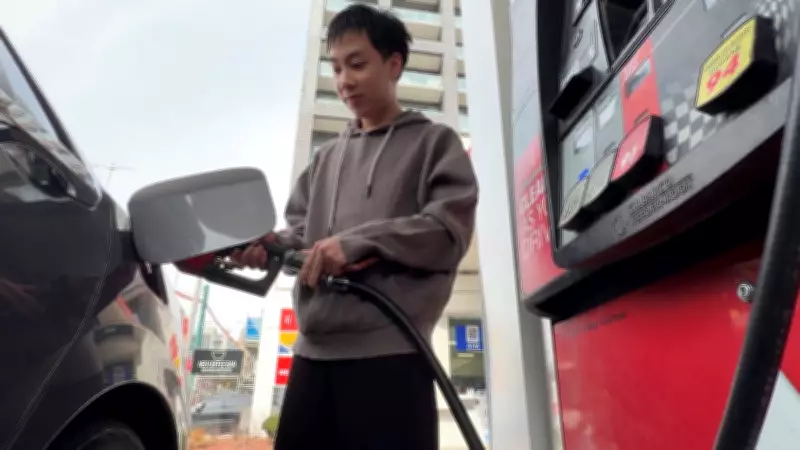
Global Gas Price Surge Prompts Tax Relief Measures Abroad
As geopolitical tensions in the Middle East combine with typical seasonal demand increases, gasoline prices are climbing sharply across the globe. In response, numerous countries have implemented temporary reductions in fuel taxes to alleviate the financial burden on consumers. This raises a pressing question for Canadian policymakers: should Canada enact similar tax cuts to provide relief at the pump?
The International Trend of Tax Slashing
From Europe to Asia, governments are taking decisive action by slashing gas taxes. These measures are designed as short-term interventions to cushion the impact of volatile oil markets and supply chain disruptions. The rationale is straightforward: by lowering taxes, which constitute a significant portion of retail fuel prices, governments can offer immediate, albeit temporary, financial reprieve to households and businesses grappling with elevated transportation costs.
In Canada, where gasoline prices are influenced by both international crude oil benchmarks and domestic factors such as refining capacity and carbon pricing, the debate is gaining momentum. Proponents argue that a temporary tax reduction would directly benefit consumers, especially those in rural and suburban areas who rely heavily on personal vehicles. They contend that such a move would demonstrate responsiveness to economic hardship and help stabilize household budgets during a period of inflationary pressure.

Potential Drawbacks and Fiscal Considerations
However, critics caution against hastily following this international trend. They point out that fuel tax revenues are a crucial source of funding for public infrastructure, including roads, bridges, and public transit systems. A reduction could strain provincial and federal budgets, potentially delaying essential maintenance and expansion projects. Moreover, there is concern that tax cuts might inadvertently encourage increased fuel consumption, undermining environmental goals tied to carbon pricing and emissions reduction targets.
Additionally, the effectiveness of such measures is debated. Some economists suggest that tax savings might not be fully passed on to consumers if retailers absorb part of the benefit, or if global price increases quickly offset the tax reduction. Alternative approaches, such as targeted rebates for low-income households or investments in public transportation, are proposed as more equitable and sustainable solutions.
Weighing the Options for Canada
The decision is not merely economic but also political, reflecting broader priorities around affordability, fiscal responsibility, and environmental stewardship. As other nations experiment with tax relief, Canadian officials must carefully evaluate the trade-offs. Public opinion may sway the debate, particularly if rising fuel costs continue to squeeze family finances and business operations.
Ultimately, whether Canada joins the global wave of gas tax cuts will depend on a nuanced assessment of immediate consumer needs versus long-term fiscal and environmental commitments. The ongoing global conflict and market fluctuations ensure that this issue will remain at the forefront of policy discussions in the coming months.