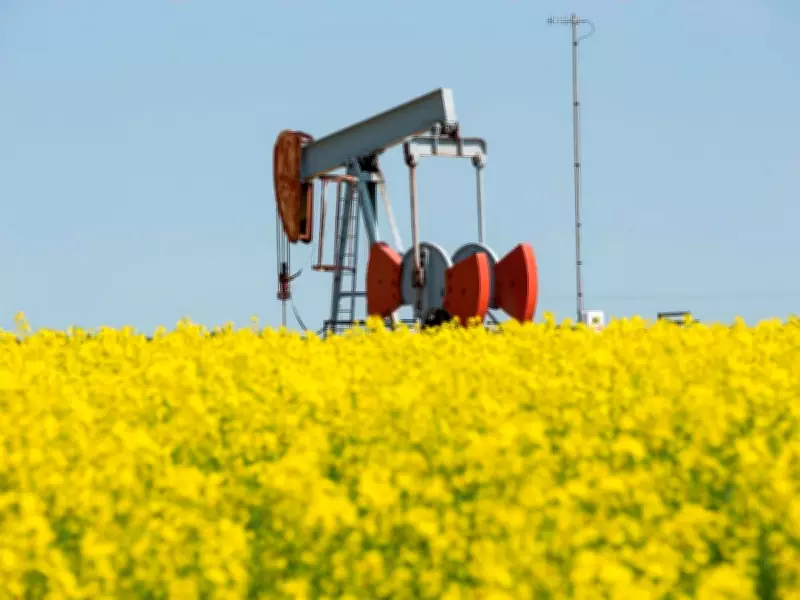
Alberta Emerges as Economic Bright Spot Amid Canada's Slowing Growth
The latest quarterly report from Deloitte Canada reveals that Alberta stands out as a beacon of economic resilience while the broader Canadian economy faces significant headwinds. According to chief economist Dawn Desjardins, the province's unique export composition and strategic advantages position it for stronger growth compared to national trends.
Energy Sector Fuels Provincial Advantage
Alberta's energy-heavy export portfolio provides unusual insulation from U.S. trade measures, with the province facing the lowest effective tariffs among all Canadian jurisdictions. This advantage comes at a critical time when elevated energy prices—driven by Middle East instability and new capacity additions in the oilsands—are expected to bolster oil and gas exports throughout 2026 and 2027.
"For every dollar increase in West Texas Intermediate crude prices, Alberta gains nearly $1 billion in provincial revenue," noted Desjardins. With WTI prices surging from the $60s to over $102 per barrel, this represents a substantial economic boost.

Agricultural Sector Receives Additional Support
The economic outlook brightens further with targeted tariff relief and the suspension of Chinese tariffs on key Canadian agricultural products, including Alberta canola. This development promises to significantly enhance farm exports this year, adding another layer of stability to the provincial economy.
Growth Projections Outpace National Trends
Deloitte's analysis forecasts Alberta's economy growing at 1.7 percent in 2026, accelerating to 2.6 percent in 2027. These figures contrast sharply with Canada's projected national growth of just 1.2 percent in 2026, down from an already modest 1.7 percent in 2025.
"While softer consumer spending, moderating population growth, and trade uncertainty remain challenges, strong investment in infrastructure and energy should underpin solid economic growth, particularly in 2027," Desjardins explained in the spring report.
Balancing Strengths and Challenges
The report acknowledges several factors that could temper Alberta's economic momentum:
- Housing starts are expected to slow as completed projects enter the market and demand cools
- Population growth has moderated following federal immigration adjustments
- National rental construction linked to population growth continues to shrink as vacancy rates rise
However, these challenges are offset by strengthening business investment in areas such as AI data-center development and large-scale engineering construction projects. The combination of energy sector strength, agricultural opportunities, and strategic investments creates a balanced economic outlook for the province.
As Canada navigates a period of economic uncertainty, Alberta's unique position—with its energy resources, agricultural advantages, and favorable trade conditions—positions it as a crucial contributor to national economic stability through the coming years.