

Ohio Republicans Target Suspected Fraud in Government-Funded Child Care
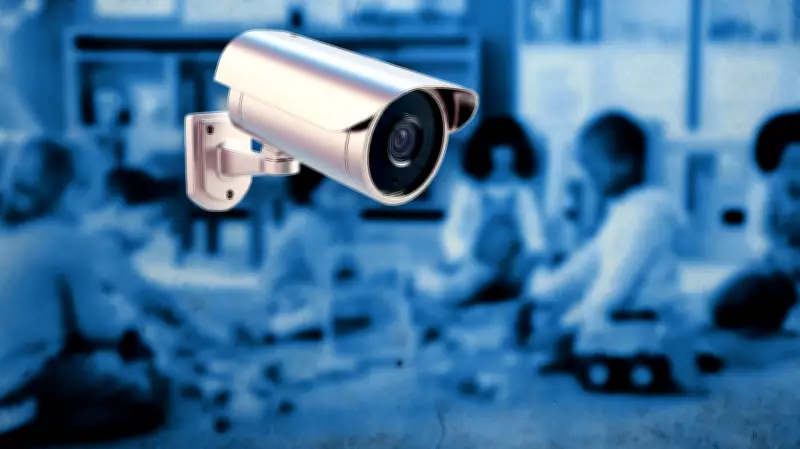
Ohio Republicans are exploring aggressive methods to address what they believe is widespread fraud in government-funded child care programs. Proposals include implementing mandatory state surveillance of child care centers and requiring daily photos of children to verify attendance. These ideas emerged amid a right-wing social media uproar over fraud allegations, causing alarm among child care advocates who worry about increased costs and the stigmatization of subsidized care. Many centers depend on federal and state funds to serve low-income workers' children.
Controversial Surveillance Bill Sparks Backlash
In a sign of the contentious nature of these proposals, the lead sponsors of one Ohio bill have already retreated from a plan to require child care centers to install cameras in common areas and provide live access to state officials. This bill initially garnered 26 Republican co-sponsors before its sponsors decided to revise it. Tami Lunan, director of the Care Economy Organizing Project, criticized the move, stating, "This is just an attempt to further defund the child care system. What we’re really concerned about is that they will try to replicate these policies in other places."
The debate was fueled by a viral video from December, where conservative YouTuber Nick Shirley claimed to expose rampant scamming among Somali-born child care providers in Minnesota receiving government funds. High-profile right-wing figures, including Vice President JD Vance, promoted this narrative, despite state officials labeling the video as misleading. The controversy has since spread to Ohio, highlighting how anger over fraud claims has extended beyond Minnesota.

Compromise Efforts and Alternative Proposals
Ohio Rep. Josh Williams (R), a lead sponsor of the surveillance bill, told HuffPost he is seeking a compromise with child care providers amid taxpayer demands for action. "Constituents were calling for an end to all publicly funded child care until we get a complete audit of the system," said Williams, who represents parts of the Toledo area. "But we know how detrimental that would be to our workforce." After discussions with providers, Williams is moving away from a "full-blown camera system" and instead proposes using existing tablets at centers to take photos of children daily, arguing this would verify attendance without invasive surveillance.
Child care costs are a significant concern, with an average annual cost of $12,351 for an infant in Ohio, according to Groundwork Ohio. The federal government provides funding to assist low-income workers, with states administering programs and offering matching funds. Providers receive reimbursements based on attendance, and while some fraud and bookkeeping errors exist, advocates argue the scale is exaggerated by right-wing influencers.
Privacy and Due Process Concerns
Democrats have raised privacy issues with the photo proposal. In a House hearing, Rep. Ashley Bryant Bailey (D) of Cincinnati expressed fears about images falling into the wrong hands, noting, "We’re in the age of the Epstein files. Anything can happen." Ali Smith, senior project coordinator at Policy Matters Ohio, added that the idea "makes providers and their parents nervous" and called for better alternatives that respect privacy.
Smith also highlighted due process worries, as the bill allows funding to be cut based on "probable or suspected" fraud, potentially relying on influencer videos as evidence. "It all seems reactionary and short-sighted. We already have huge child care deserts in Ohio," she said, pointing to areas like Appalachia where access to publicly funded care is limited. Williams responded that the state's Department of Children and Youth would decide when to halt funds, with a preliminary investigation sufficing if fraud is suspected, though funds could be restored if allegations prove false.

Alternative Measures and Broader Implications
A separate GOP bill aims to ease payment stoppages if there is "reason to suspect" fund misuse and opposes shifting to enrollment-based reimbursements, favoring the current attendance-based system for consistency. During hearings, Republican Tracy Richardson suggested fingerprinting as an alternative to photos, but co-sponsor D.J. Swearingen acknowledged the sensitivity of such measures, emphasizing the need for low-cost solutions that respect privacy.
Ohio Gov. Mike DeWine (R) attempted to reassure the public, noting over 10,000 unannounced visits to child care centers in 2025, resulting in 38 closures, and a comprehensive review process to prevent fraud. He cautioned against vigilante conclusions, citing a case where social media tips misidentified a facility due to outdated Google Maps images.
As the debate continues, child care advocates urge lawmakers to proceed cautiously, warning that panic over alleged fraud could lead to harmful legislation in an already strained system.





