From Fan to Therapist: How 'ANTM' Shaped a Generation's Body Image Struggles
As a teenager, I eagerly awaited the upbeat theme song of "America's Next Top Model," sitting with my mom on our leather couch, snacks in hand, for weekly episodes. At the time, it seemed like just entertaining reality TV, but now, through the lens of my knowledge as an eating disorder therapist, watching Netflix's documentary on the show evokes deep anger and sadness.
A Microcosm of Toxic Diet Culture
"ANTM" didn't create fatphobic culture; it was a microcosm of the pervasive early 2000s diet culture. However, by reflecting and glamorizing the thin ideal, it amplified harmful standards. The show praised extreme thinness, framing anything else as a moral failing, and emphasized altering appearance to meet ideals, sending the message that looks were paramount.
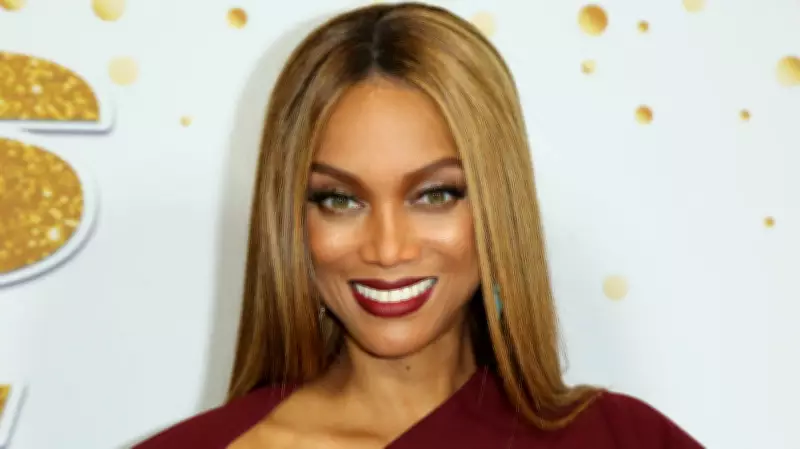
Contestants faced shame and scrutiny, such as Tyra Banks scolding one for not having a "perfectly flat stomach" and advising stricter food monitoring. Forced makeovers often ended in tears, like a contestant pressured to close a gap in her teeth. While Tyra included "plus-size" models early on, they were othered and placed in humiliating situations, like shoots without clothing in their sizes, and the label didn't reflect everyday body perceptions.

Personal Descent into an Eating Disorder
The show ingrained in me that smaller was better and appearance mattered most. In college, disliking an outfit led to a diet that changed my life's trajectory. Initially, I received praise for weight loss, even as fear of food grew. People applauded and asked for tips, reinforcing my fixation.
I became obsessed with shrinking myself, tracking the scale, and following strict food and exercise rules, which consumed 80% of my day. Social isolation followed as I avoided restaurants and gatherings. I didn't realize I had an eating disorder because I believed it only affected emaciated individuals, and others told me I "looked great." It's crucial to note that less than 6% of people with eating disorders are medically underweight; you can't tell by looking.
Eventually, I sought help and was diagnosed with anorexia, later experiencing other symptoms. This was a surprise, as I had a normal relationship with food growing up. A "perfect storm" of factors contributed: genetic predisposition from a family member with anorexia, perfectionism, past trauma, anxiety, and the cultural climate, including "ANTM."
Broader Impact and Ongoing Concerns
In the documentary, contestant Keenyah Hill shares that discussions of her body on the show kick-started viewers' eating disorders, highlighting how televised body shaming extends beyond the screen. While media alone doesn't cause eating disorders, it can trigger those with predispositions.
After years of therapy and support, I recovered. Today, as a married mom and founder of The Eating Disorder Center, my perspective has shifted from that 16-year-old fan. We now see the toxicity of the 2000s diet culture and anti-fat bias in media, but I fear in 20 years, we'll look back on today with similar discomfort.
Extreme thinness is still promoted, and weight loss, often aided by GLP-1s like Ozempic, is praised. Movements like "Make America Healthy Again" demonize processed foods with harmful rhetoric. I hope the "ANTM" documentary serves as a wake-up call: normalization doesn't equal health. We must critically examine how society promotes anti-fat bias and diet culture for the next generation's sake.