ICE Secretly Acquires Warehouses for Detention Expansion, Leaving Local Officials in the Dark
U.S. Immigration and Customs Enforcement (ICE) is quietly purchasing warehouses across the country as part of a massive $45-billion expansion of immigrant detention facilities, often without notifying or consulting local officials. This covert strategy has sparked significant concerns about transparency, community involvement, and the broader implications for immigration enforcement.
Stealthy Purchases Raise Alarm in Communities
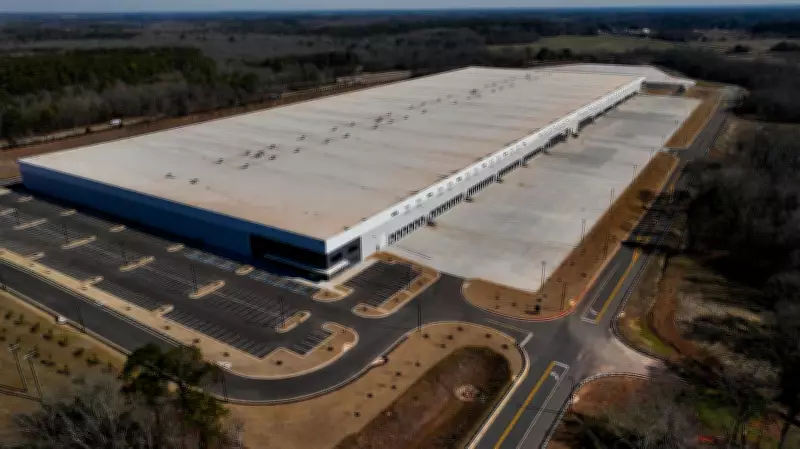
In Social Circle, Georgia, a newly built warehouse stands as a prime example of this trend. Local authorities only became aware of ICE's plans through indirect channels, leaving them scrambling to understand the agency's intentions. The lack of communication has fueled fears about the potential impact on the community, including increased detention activities and strained local resources.
This approach bypasses traditional channels of oversight, preventing municipalities from preparing for or contesting the developments. Officials argue that such secrecy undermines public trust and hampers their ability to address residents' concerns effectively.

A $45-Billion Expansion Plan
The warehouse acquisitions are tied to a sweeping $45-billion initiative to expand ICE's detention capacity nationwide. This ambitious plan aims to address overcrowding and operational needs but has been criticized for its scale and execution. Critics point out that the expansion could lead to:
- Increased detention of immigrants, including asylum seekers
- Financial burdens on local infrastructure and services
- Potential human rights issues in hastily repurposed facilities
The secrecy surrounding these purchases suggests a deliberate effort to avoid public scrutiny and opposition, which has historically accompanied detention center proposals. By operating under the radar, ICE may be attempting to expedite the expansion while minimizing community backlash.
Local Officials Demand Transparency
Affected communities are calling for greater transparency and collaboration from ICE. Local leaders emphasize that they are not necessarily opposed to federal initiatives but insist on being included in the planning process. This would allow them to:
- Assess the impact on public safety and resources
- Engage with residents to address concerns
- Ensure compliance with local zoning and regulations
The situation in Social Circle highlights a broader pattern, with similar reports emerging from other regions. As ICE continues its expansion, the tension between federal authority and local autonomy is likely to intensify, raising questions about governance and accountability in immigration policy.