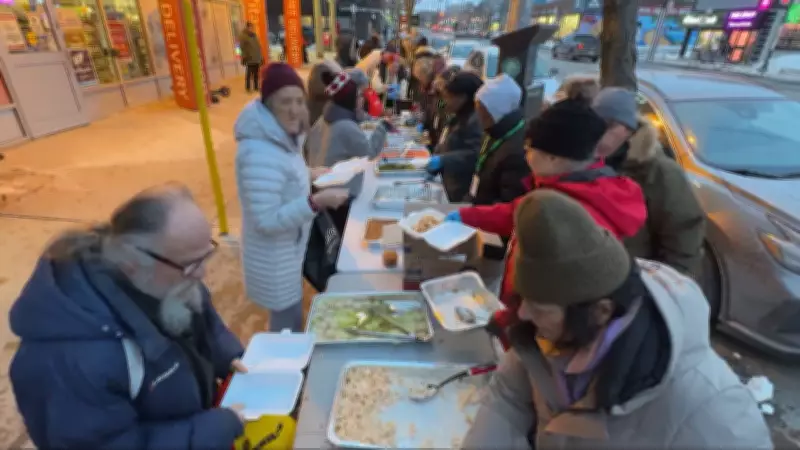
A grassroots organization operating in south Etobicoke has come under intense scrutiny following its decision to establish a weekly outreach program directly outside a Toronto seniors housing building. The Food for Now initiative, which runs every Friday, distributes meals and warm clothing to vulnerable individuals in the New Toronto neighborhood, but this location choice has sparked significant controversy among residents and local officials.
Community Program Draws Mixed Reactions
The Food for Now program represents a volunteer-driven effort to address food insecurity and provide essential winter gear to those in need within the south Etobicoke community. Organizers emphasize that their mission focuses on supporting marginalized populations, including homeless individuals and low-income families, through direct aid and compassionate engagement.
Seniors Housing Residents Express Concerns
However, the placement of this outreach activity adjacent to a seniors residential facility has raised alarms. Some elderly tenants and their families have voiced discomfort, citing potential safety issues, increased foot traffic, and disruptions to the building's peaceful environment. Critics argue that while the program's intentions are noble, its current location may inadvertently create tensions between different community groups.

Local authorities have been drawn into the debate, with calls for the group to relocate its operations to a more suitable venue. Proponents of the program counter that accessible locations are limited, and moving away from the seniors building could reduce their ability to reach those most in need.
Broader Implications for Community Outreach
This situation underscores the complex challenges faced by grassroots organizations when balancing effective service delivery with community sensitivities. The controversy has ignited discussions about urban planning, public space usage, and how cities can better support both vulnerable populations and established residential communities.
As the debate continues, the Food for Now program organizers have indicated they are reviewing feedback and exploring potential compromises. The outcome may set a precedent for how similar initiatives navigate location-based conflicts in Toronto and other urban centers across Canada.