Carney Expresses Optimism Following High-Level Discussion on Critical Infrastructure Project
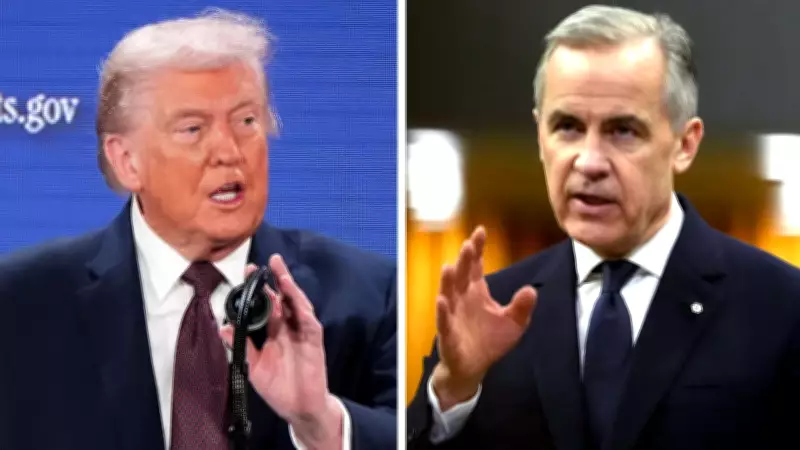
Former Bank of Canada governor Mark Carney has publicly stated his belief that the ongoing situation regarding the Gordie Howe International Bridge will be successfully resolved. This declaration comes after Carney engaged in direct communication with former United States President Donald Trump concerning the vital cross-border infrastructure project.
Background of the Diplomatic Exchange
The conversation between Carney and Trump occurred against a backdrop of heightened tensions surrounding the bridge's scheduled opening. Trump has recently made several public statements threatening to block the inauguration of the new Windsor-Detroit crossing, which represents a significant bilateral undertaking between Canada and the United States.
Carney's intervention suggests diplomatic efforts are underway to address these concerns at the highest levels. The former central banker, who maintains considerable influence in international financial and political circles, appears to be leveraging his relationships to facilitate dialogue between Canadian interests and the former American administration.

Strategic Importance of the Gordie Howe Bridge
The Gordie Howe International Bridge represents one of the most substantial infrastructure investments in recent North American history. This six-lane, cable-stayed bridge spanning the Detroit River is designed to significantly enhance trade efficiency between Canada and the United States, particularly for commercial vehicles.
Key aspects of the project include:
- Construction costs exceeding $5.7 billion, primarily funded by Canadian taxpayers
- Expected capacity to handle approximately 30% of all Canada-U.S. trade by truck volume
- Strategic positioning to alleviate congestion at the existing Ambassador Bridge crossing
- Projected creation of thousands of jobs on both sides of the border during construction and operation
Political Context and Broader Implications
Trump's threats to obstruct the bridge opening have emerged within a complex political landscape. Some analysts suggest these statements reflect broader tensions in the Canada-U.S. relationship, particularly regarding trade policies and economic competition. Former Conservative MP Peter Kent remarked that such confrontational rhetoric was "only a matter of time" given the current political climate.
Meanwhile, Ontario Premier Doug Ford has been actively addressing media inquiries regarding the situation, emphasizing the provincial government's commitment to seeing the project through to completion. The bridge represents not only a critical transportation link but also a symbol of cross-border cooperation that has faced increasing strain in recent years.
Financial and Ownership Considerations
Contrary to some public perceptions, Canada does not hold exclusive ownership of the Gordie Howe Bridge project. The financing and operational structure involves a public-private partnership, with the Windsor-Detroit Bridge Authority overseeing development on the Canadian side. This nuanced ownership arrangement may influence the ongoing negotiations and discussions between stakeholders.
The bridge's completion and successful operation are considered economically vital for both nations, particularly for the automotive and manufacturing sectors concentrated in southwestern Ontario and Michigan. Any disruption to its opening could have significant consequences for supply chains and regional economies.
Looking Forward: Resolution Pathways
Carney's optimistic assessment suggests that diplomatic channels remain open and productive despite public tensions. His statement that "the situation will be resolved" indicates confidence in established mechanisms for bilateral dispute resolution, potentially involving multiple levels of government and private sector stakeholders.
As developments continue to unfold, observers will be monitoring several key indicators:

- Official statements from both Canadian and U.S. government representatives
- Progress on final construction and regulatory approvals
- Economic impact assessments of any potential delays
- Broader implications for Canada-U.S. relations beyond this specific infrastructure project
The resolution of this matter will likely set important precedents for how cross-border infrastructure projects are managed amid evolving political dynamics between the two neighboring nations.