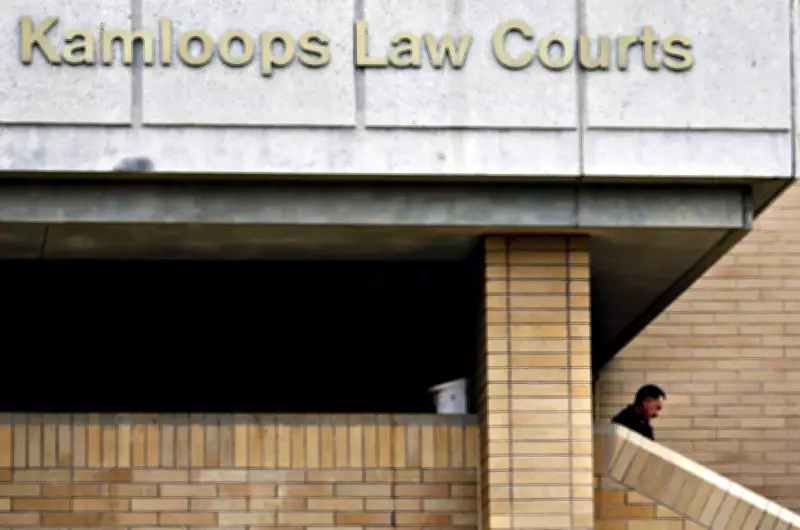
Former British Columbia Attorney Found Guilty of First-Degree Murder in Client's Death
A former lawyer practicing in British Columbia has been convicted of first-degree murder in the killing of a client, according to a recent verdict delivered in court. This case represents a particularly egregious breach of professional trust and legal ethics, sending shockwaves through the provincial legal community.
Details of the Conviction and Case Background
The conviction stems from a murder investigation that uncovered evidence linking the former attorney directly to the death of their client. First-degree murder charges in Canada require proof of planning and deliberation, indicating that the prosecution successfully demonstrated premeditation in this tragic incident.
Legal experts note that such cases involving professionals accused of crimes against their clients are exceptionally rare but carry significant implications for public trust in legal institutions. The relationship between lawyer and client is fundamentally built on confidence and fiduciary responsibility, making this violation particularly disturbing.

Broader Implications for the Legal Profession
This conviction raises important questions about professional oversight and accountability mechanisms within the legal field. While the vast majority of lawyers maintain the highest ethical standards, cases like this inevitably prompt reviews of regulatory frameworks and client protection measures.
The British Columbia legal community now faces the challenging task of reconciling this breach of trust while maintaining public confidence in the justice system. Professional associations and regulatory bodies typically respond to such incidents with enhanced scrutiny and potential reforms to prevent similar occurrences.
Sentencing and Next Steps in the Legal Process
With a first-degree murder conviction secured, the former lawyer now faces a mandatory life sentence with no possibility of parole for 25 years, as prescribed by Canadian law. The sentencing phase will formally determine the consequences for this severe criminal violation.
Additionally, the convicted individual will likely face disciplinary proceedings from provincial law societies, which could result in permanent disbarment and the loss of all professional privileges. These parallel proceedings ensure both criminal punishment and professional accountability for actions that fundamentally contradict legal ethics.
The case continues to develop as both the defense and prosecution consider their options regarding potential appeals, while the legal community and public await the formal sentencing that will conclude this disturbing chapter in British Columbia's legal history.