

Utah Mother's Grief Book Turns to Murder Trial: A Story of Alleged Poisoning
In a case that has captivated public attention, Kouri Richins, a mother of three from Utah, finds herself on trial for the alleged murder of her husband, Eric Richins, after initially gaining recognition for writing a children's book aimed at helping her kids process his death. The trial, which began with a court hearing on August 27, 2024, in Park City, Utah, centers on accusations that she fatally poisoned him, turning a narrative of coping with loss into one of criminal investigation.
From Author to Accused: The Twisted Timeline
Kouri Richins published a children's book designed to assist her young children in dealing with the grief of losing their father. The book, which received local attention, portrayed her as a supportive parent navigating tragedy. However, authorities later charged her with murder, alleging that she administered a lethal dose of poison to Eric Richins, leading to his untimely death. This stark contrast between her public image as a grieving widow and the criminal allegations has sparked widespread media coverage and legal scrutiny.
Legal Proceedings and Public Reaction
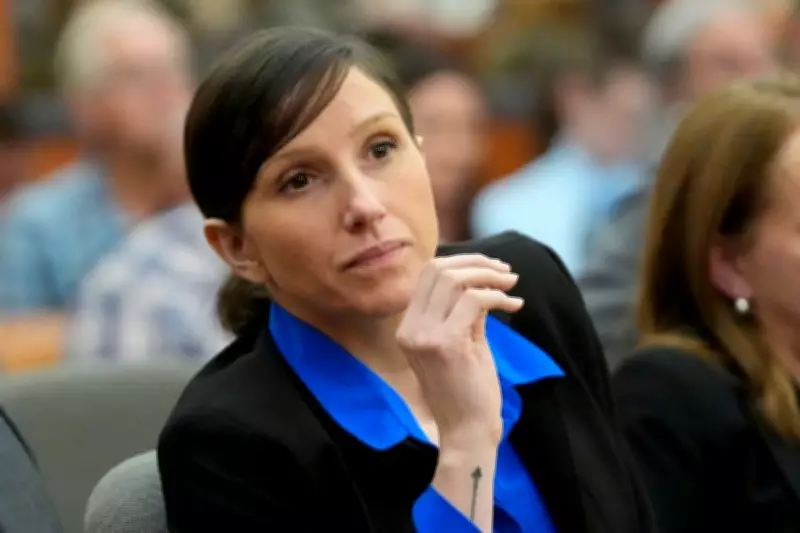
The trial has drawn significant interest due to its unusual circumstances. Prosecutors argue that evidence points to premeditated poisoning, while the defense maintains her innocence, suggesting alternative explanations for the death. During the court hearing, Richins appeared composed, as captured in Associated Press photos, but the proceedings have raised questions about motive and family dynamics. The case underscores how personal tragedies can intersect with legal battles, leaving communities and observers grappling with the complexities of grief and justice.

Broader Implications and Community Impact
This incident highlights issues related to mental health, family violence, and the criminal justice system. It serves as a reminder of the hidden struggles that can underlie seemingly supportive actions, such as writing a book to help children cope. As the trial continues, it may influence discussions on how society addresses loss and accountability, particularly in cases where alleged crimes disrupt narratives of healing.






