






U.S. and Iran Hold Separate Talks in Pakistan Amid Fragile Ceasefire in Lebanon
U.S.-Iran Talks in Pakistan Amid Lebanon Ceasefire Tensions

U.S. and Iranian Delegations Engage in Separate Talks with Pakistan Amid Lebanon Ceasefire Tensions

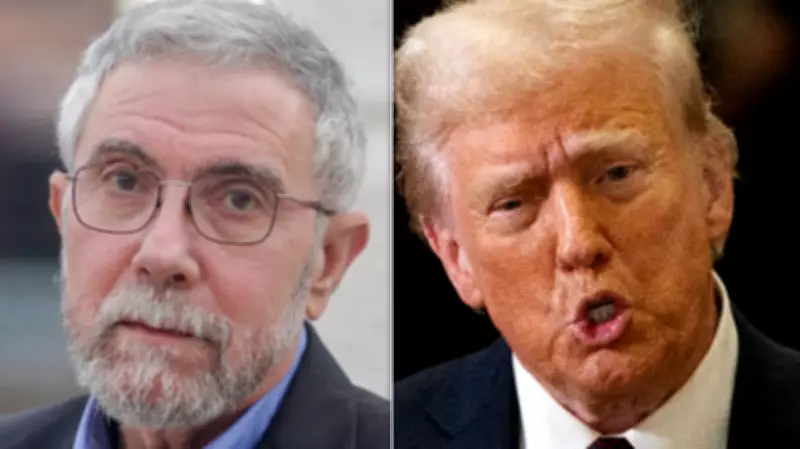
In a significant diplomatic development, U.S. and Iranian officials held separate meetings with Pakistani Prime Minister Shehbaz Sharif on Saturday, as a fragile ceasefire in Lebanon faces challenges from persistent fighting and deep-seated disagreements. According to statements from Sharif's office and Iranian media, a U.S. delegation led by Vice President JD Vance and an Iranian delegation led by Parliament Speaker Mohammad Bagher Qalibaf each conducted talks in Islamabad. As of mid-afternoon, no direct negotiations between the U.S. and Iran had been announced, highlighting the complex dynamics at play.

Ongoing Conflict and Humanitarian Toll in the Region

Meanwhile, Israel continued its military strikes in Lebanon, despite Iran's condition that talks proceed only with a pause in the fighting. The Lebanese state-run news agency reported that Israeli airstrikes on Saturday resulted in at least three fatalities. The broader conflict has inflicted a severe humanitarian cost, with casualties mounting to approximately 3,000 in Iran, 1,953 in Lebanon, 23 in Israel, and over a dozen in Gulf Arab states. This war has significantly disrupted the Persian Gulf's connection to the global economy, leading to soaring energy prices and extensive infrastructure damage across multiple countries in the region.

In Tehran, residents expressed a mix of skepticism and hope regarding the talks, following weeks of airstrikes that have caused widespread destruction. Shahab Banitaba, a local resident, voiced concerns about the reliability of any potential agreement, questioning whether the United States could be trusted to uphold its commitments. "If we get concrete and final results, there is still a chance that the deal falls through," he remarked, reflecting the cautious optimism prevalent among many Iranians.

Wide Pickt banner — collaborative shopping lists app for Telegram, phone mockup with grocery list

Pre-Talk Posturing and Security Measures in Islamabad

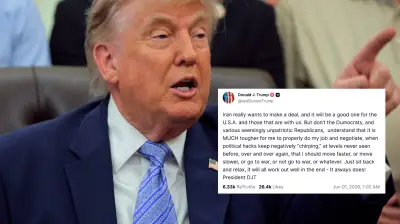
Ahead of the discussions, officials from both sides engaged in strategic posturing, asserting leverage and outlining new demands. U.S. President Donald Trump took to social media to assert that Iranian officials "have no cards" to negotiate with, accusing them of exploiting the Strait of Hormuz—a critical global energy corridor—for extortion. "The only reason they are alive today is to negotiate!" he declared in a series of posts.

In Islamabad, security was heightened as authorities sealed roads and advised residents to remain indoors, transforming the typically bustling capital into a deserted area reminiscent of a curfew. Vice President Vance, while expressing optimism about the talks on Friday, issued a stern warning: "If they're going to try and play us, then they're going to find that the negotiating team is not that receptive." On the Iranian side, Foreign Minister Abbas Araghchi emphasized that Tehran enters the negotiations with "deep distrust," citing previous attacks on Iran during earlier rounds of talks. Araghchi, part of Iran's delegation in Pakistan, stated that his country is prepared to retaliate if targeted again.

Upcoming Direct Negotiations Between Israel and Lebanon

In a related development, direct negotiations between Israel and Lebanon are scheduled to commence on Tuesday in Washington, as confirmed by Lebanese President Joseph Aoun's office on Friday. Israel's primary demand involves the Lebanese government taking responsibility for disarming Hezbollah, a condition outlined in a November 2024 ceasefire. However, uncertainties persist regarding the Lebanese army's ability to establish a monopoly on arms or effectively confiscate weapons from Hezbollah, a militant group with a long history of resisting disarmament efforts.

Israel's insistence on continuing its military operations against Hezbollah, despite the ceasefire in Iran, poses a significant threat to the overall deal. Hezbollah entered the conflict in support of Iran shortly after the war began. Notably, on the day the truce was announced, Israel launched airstrikes on Beirut, resulting in over 300 deaths—the deadliest single day in Lebanon since the conflict erupted on February 28, according to the Lebanese Health Ministry. President Trump revealed on Thursday that he had urged Israeli Prime Minister Benjamin Netanyahu to reduce the intensity of these strikes.

Pickt after-article banner — collaborative shopping lists app with family illustration

Strait of Hormuz: A Critical Sticking Point in Negotiations

The closure of the Strait of Hormuz by Iran has emerged as a major strategic advantage in the war, effectively blocking the passage of commercial vessels carrying oil, natural gas, and fertilizer. This disruption has led to a sharp increase in energy prices, with the spot price of Brent crude oil reaching around $97 on Friday, marking a more than 30% rise since the conflict's inception. Prior to the war, approximately one-fifth of the world's traded oil transited through the strait daily via over 100 ships, many destined for Asian markets. Since the ceasefire, only 12 vessels have been recorded passing through.

Iran has proposed charging fees for ships using the strait as part of a potential peace agreement, but this idea has faced widespread rejection from countries including the United States and Oman, Iran's neighbor. The ongoing impasse over the Strait of Hormuz underscores the complex economic and geopolitical challenges that must be addressed to achieve a lasting resolution to the conflict.