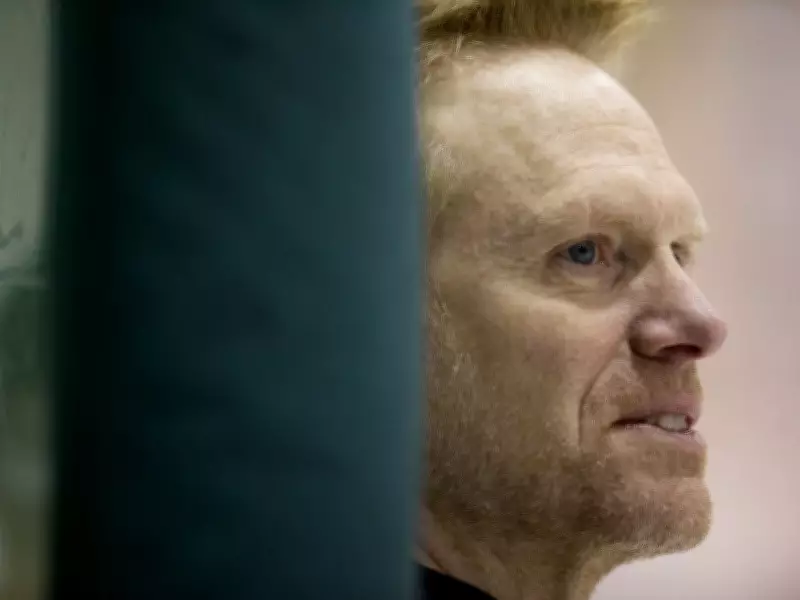
Howie Draper's coaching accolades are overflowing with achievements that are no doubt Hall-of-Fame worthy, and would be hard-pressed to be surpassed by current or future head coaches in women's university hockey — but that's not what Draper's legacy will ever be defined by.
A Career Built on More Than Wins
The 59-year-old announced his retirement in March, after nearly 30 years behind the bench of the University of Alberta Pandas, and it was a fitting way for Draper to go out. A nicely written media release was sent out on March 2. No glitz, no glamour. No farewell tour of one more year. And it sums up Draper and his legacy perfectly. It's never been about him. It's always been about the student-athletes and the Pandas hockey program.
After 28 seasons, 15 Canada West titles, and eight national championships, Draper leaves the U of A as the winningest coach in school history. “It was something that had been coming for awhile. When your passion starts to fade, or fire starts to dim, you know it’s time,” he said, adding that while he still loved working with athletes, the growing preparation and administrative demands of coaching “were starting to weigh me down a little bit.”

From Golden Bear to Pandas Pioneer
Draper patrolled the blueline for the Alberta Golden Bears for five seasons (1985-1990), and was coached by the legendary Clare Drake, who was the main architect behind what the Golden Bears program was built and still stands on today. When Draper was named the first head coach in Alberta Pandas history in 1997, he built the program on lessons learned from Drake and other coaching influences, including Billy Moores, helping turn the Pandas into the most decorated program in Canadian women's university hockey history.
He finishes his career with an astounding 715-193-13 record, including 465 conference wins, across 28 seasons behind the Pandas bench — missing just one year while coaching in the inaugural season of the PWHL with New York.
Impact Beyond the Ice
But, while Draper's impact on the ice was immense, his influence away from the rink may have meant even more to him. “I never would've dreamed that I would be coaching and having the opportunity to share what I was able to take from my time with the Bears and coach Drake and coach Moores,” Draper said, adding that his goal was always to have a similar impact on the athletes he coached. “It's overwhelming to think that I've come anywhere near being talked about alongside coach Drake.”
Draper always prioritized the program's culture, treating everyone the same regardless of role. The team's motto was “family” — spelled “phamily.” “It was the most important thing in building the culture. People want to know that what they do matters, and they want to know that you value what you do,” said Draper. “When they see the belief you have in their ability, and they feel the sense of importance that skill brings, then they're going to contribute to the success of the group.”
As Draper steps away, his legacy is not just about championships, but about the countless lives he touched and the culture of family he built within the Pandas program. His career stands as a testament to what can be achieved when passion, humility, and a focus on others guide the way.