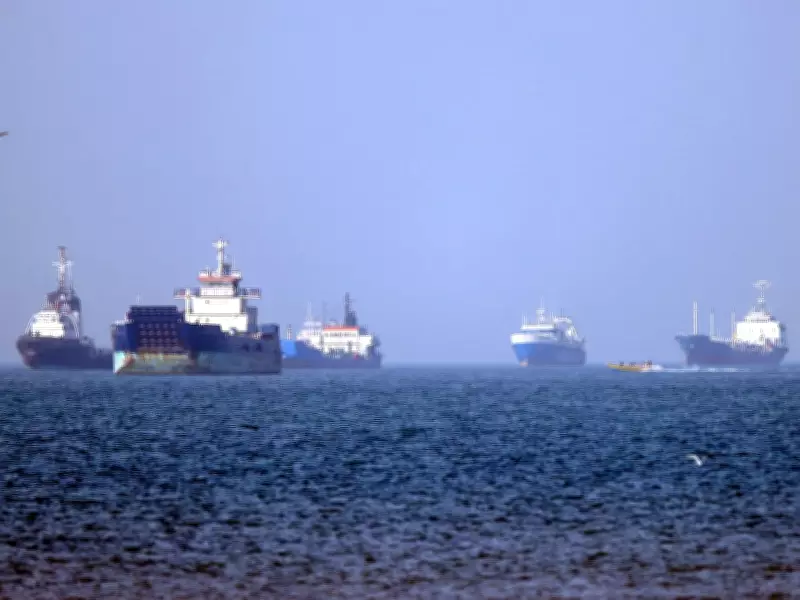
Shipowners are increasingly optimistic about a resurgence in traffic through the Strait of Hormuz after several vessels successfully navigated the waterway this week, aided by information provided by the United States. The growing number of transits suggests that shipping companies are becoming more willing to risk the journey, which could significantly boost the flow of oil, gas, and consumer goods through one of the world's most critical maritime chokepoints.
US Advisory Role
At least two shipowners, speaking on condition of anonymity due to the sensitivity of the information, confirmed they have been in contact with American military forces. The US military has been offering guidance on the safest routes and procedures for transiting the strait. A spokesperson for the US Central Command clarified that while US military assets are not escorting commercial vessels, the command continues to provide advisory support to ships in the region.
Incidents at Sea
One individual with direct knowledge of a recent transit reported that a group of vessels was approached by suspected Iranian fast boats during their journey. The boats were deterred by helicopters that appeared suddenly, allowing the vessels to continue their passage away from Hormuz without incident. This incident underscores the ongoing risks in the waterway.

Industry Reactions
Chevron Corp. CEO Mike Wirth stated on Bloomberg TV that some vessels transiting Hormuz have recently come under attack. On the same day, the US reaffirmed that any deals with Iran to ensure safe passage through the Strait of Hormuz—including those not involving toll payments—are prohibited.
Some of the ships that have crossed belong to companies that had not transited Hormuz since the onset of the conflict, according to multiple sources in shipping markets. Two sources noted that some vessels are entering the Persian Gulf as well as leaving, indicating a possible normalization of traffic.
Implications for Global Trade
If the increase in transits is sustained, it could signal a broader willingness among shipping companies to resume operations through Hormuz, enhancing the flow of commodities such as oil, gas, and consumer goods. Until now, transits were largely limited to vessels operating under bilateral government arrangements or owned by a small group of daring shipping executives willing to accept the risks.
Regional players, including the state oil company of the United Arab Emirates, have also sent ships through the strait, while Qatar continues to quietly export liquefied natural gas to key buyers.
Tracking Challenges
Some vessels that crossed in recent days have done so with their satellite transponders switched off and have yet to reactivate them. This practice suggests that conventional vessel-tracking methods may undercount the actual number of ships making the voyage. Ship-tracking data indicates that at least a quarter of non-Iranian ships stranded in Hormuz since the conflict began have now made their way out.
Diplomatic Context
The White House has sent conflicting signals regarding a potential deal with Iran, a pattern that continued on Friday. A fresh agreement between the two nations could potentially pave the way for a broader reopening of shipping through Hormuz. Shipowners privately expressed hope that such an agreement would allow for a resumption of Hormuz flows, but they noted that uncertainty remains until the full details are known. Some owners stated that until a deal is reached, while it may be possible to get vessels out of Hormuz, many will remain reluctant to enter.