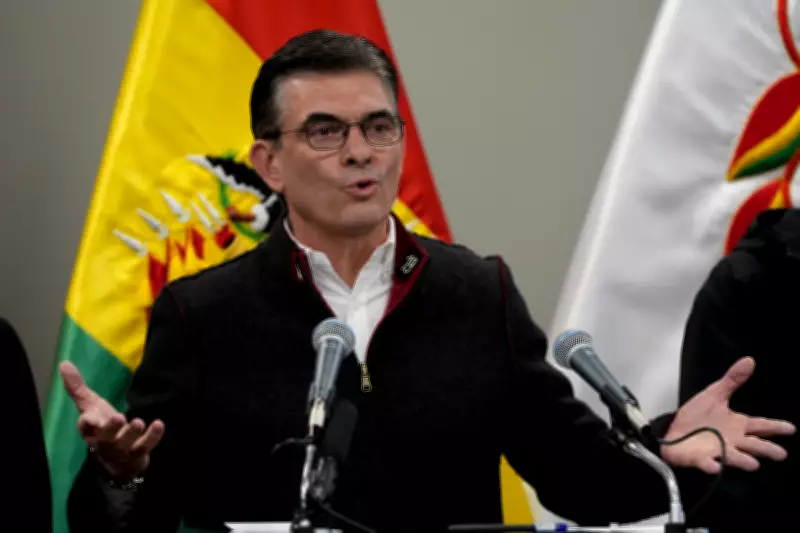
Bolivian President Rodrigo Paz has announced a 50 percent reduction in his own salary, a move intended to demonstrate solidarity with protesters demanding economic reforms. The decision was made public during a press conference at the government palace in La Paz on Wednesday, May 20, 2026.
Background of the Protests
The salary cut comes amid widespread demonstrations across Bolivia, with citizens voicing concerns over rising living costs and stagnant wages. Protesters have called for greater government accountability and measures to address economic inequality. President Paz's gesture is seen as an attempt to bridge the gap between the administration and the public.
Details of the Salary Reduction
According to official sources, the president's salary will be halved starting next month, with the savings redirected to social programs. The move is symbolic, as the president's salary is a fraction of the national budget, but it is intended to signal empathy with the struggles of ordinary Bolivians. Vice President Maria Lopez has also announced a similar cut, though details remain pending.

Reactions from Political Analysts
Political analysts have mixed views on the effectiveness of the salary cut. Some praise it as a positive step toward transparency and austerity, while others argue that more substantial policy changes are needed to address underlying economic issues. The gesture may also influence other government officials to follow suit, though no mandates have been issued.
The protests have been largely peaceful, with occasional clashes reported between demonstrators and police. The government has pledged to engage in dialogue with protest leaders to find long-term solutions. President Paz emphasized that the salary cut is just one part of a broader effort to restore public trust.
International observers have noted the move as a rare example of a leader voluntarily reducing their compensation in response to public outcry. Similar gestures have occurred in other countries facing economic turmoil, but their impact on policy remains debated.
As Bolivia navigates this period of unrest, the president's decision may serve as a temporary measure to calm tensions, but sustained reforms will be necessary to address the root causes of the protests. The coming weeks will be crucial in determining whether this symbolic act leads to meaningful change.