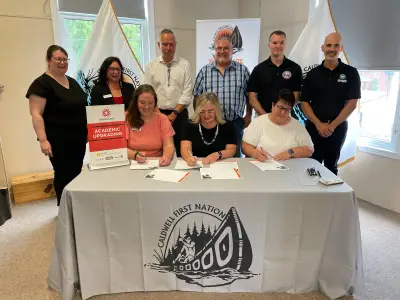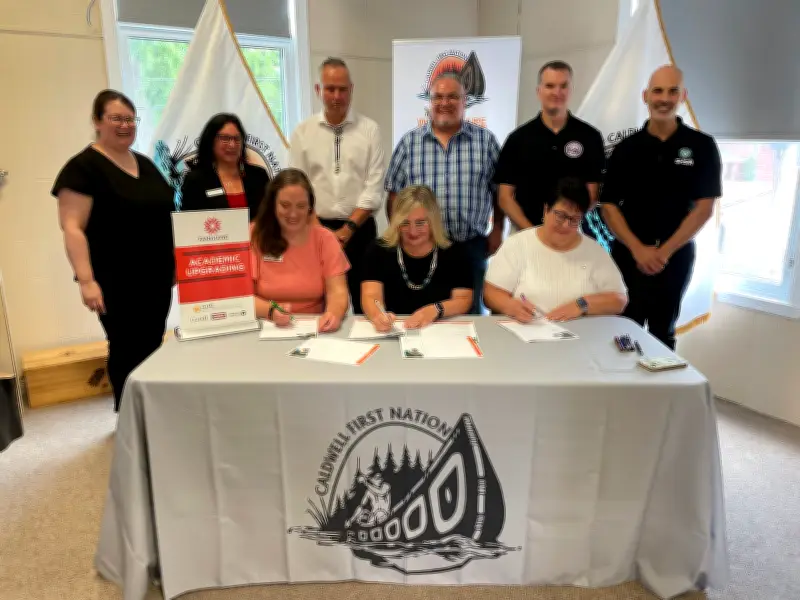
The Caldwell First Nation has entered into a formal partnership with the Greater Essex County District School Board (GECDSB) and Fanshawe College to expand adult education opportunities for its members. The agreement, announced on July 7, 2026, aims to provide pathways to high school equivalency, college preparatory programs, and skills training tailored to community needs.
Partnership Details and Goals
Under the memorandum of understanding, GECDSB will deliver adult literacy and numeracy programs on the First Nation, while Fanshawe College will offer bridging programs and access to post-secondary credentials. The initiative is designed to help adult learners overcome barriers to education and gain employment-ready skills.
According to Chief Mary Duckworth of Caldwell First Nation, the partnership addresses a long-standing need. “This agreement opens doors for our community members who want to further their education but face challenges such as transportation or childcare,” she said. “We are committed to lifelong learning and economic self-sufficiency.”

Community Impact and Enrollment
The programs are expected to serve approximately 50 to 100 adult learners in the first year, with plans to expand based on demand. Courses will include essential skills upgrading, computer literacy, and trades exploration. Fanshawe College will also provide academic advising and access to its library resources.
“This collaboration exemplifies how educational institutions can work with Indigenous communities to create meaningful opportunities,” said Fanshawe College President Peter Devlin. “We look forward to supporting Caldwell First Nation members on their educational journeys.”
Broader Context
The partnership aligns with Ontario’s Indigenous Education Strategy, which encourages school boards and colleges to develop local agreements. Caldwell First Nation, located near Lake Erie, has a population of about 1,200 members, with a growing need for adult education services. The initiative also aims to reduce the educational attainment gap between Indigenous and non-Indigenous populations in the region.