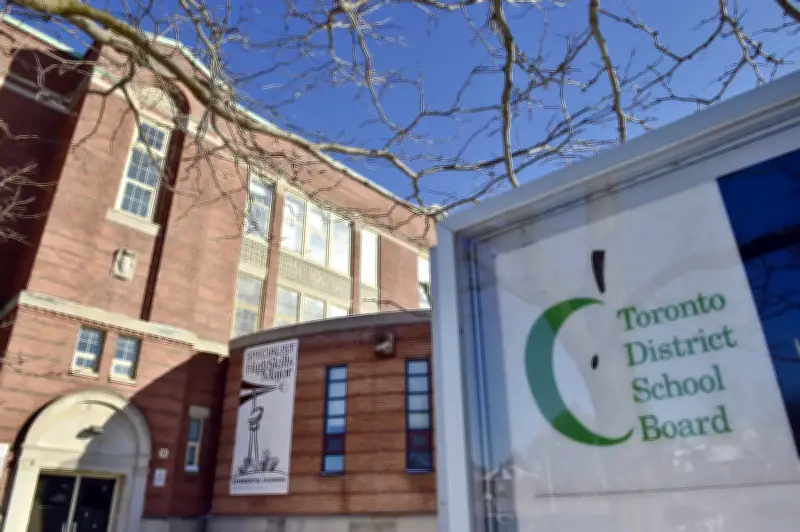
The Toronto District School Board (TDSB) and the Toronto Catholic District School Board (TCDSB) have approved budgets for the 2026-27 academic year that include multi-million-dollar deficits, even after implementing staff and program cuts. The decisions, made in late June, have raised concerns among parents and educators about the long-term financial health of Canada's largest school boards.
Budget Details and Deficits
The TDSB, which serves approximately 235,000 students, approved a budget with a deficit of $34.5 million. This comes despite cutting 150 teaching positions and reducing funding for special education programs. The TCDSB, serving about 90,000 students, passed a budget with a $12.8 million deficit, after eliminating 60 staff positions and scaling back arts and music programs. Both boards cited rising costs—including salaries, utilities, and special education mandates—as key drivers of the shortfalls.
Reasons for the Shortfalls
According to board documents, the deficits are largely due to underfunding from the Ontario government. The province's education funding formula has not kept pace with inflation or enrollment growth, particularly in Toronto, where student numbers have risen by 5% over the past three years. TDSB Chair Rachel Chernos said, "We are forced to make impossible choices because the provincial funding doesn't match our reality. Cuts to staff and programs are painful, but we cannot balance the budget without more support from Queen's Park."

Impact on Students and Staff
The cuts will mean larger class sizes, reduced access to guidance counselors, and fewer extracurricular offerings. The TDSB is also eliminating 20 vice-principal positions and consolidating some administrative services. The TCDSB is cutting its adult education program and reducing transportation services for students with special needs. Parent groups have protested the decisions, arguing they disproportionately affect vulnerable students. "Our kids are paying the price for a broken funding system," said Maria Santos, a parent with the group Fix Our Schools.
Government Response and Next Steps
Ontario Education Minister Jill Dunlop acknowledged the boards' financial challenges but reiterated that the province has increased education funding by 2.5% this year. "We expect school boards to manage their budgets responsibly," Dunlop said in a statement. The boards are now required to submit deficit-reduction plans to the ministry by September. If the plans are not approved, the province could appoint a supervisor to oversee finances. Both boards have said they will continue to advocate for a revised funding formula that accounts for inflation and enrollment growth.