




Guadalajara Residents Voice World Cup Safety Concerns Amid Cartel Violence
Hugo Alejandro Pérez was inside his home just miles from the Akron Stadium in Guadalajara, Mexico, when gunfire and explosions erupted outside his door. The 53-year-old restaurant owner, already skeptical about his city hosting FIFA World Cup games in 2026, felt his doubts confirmed by the recent surge of violence following the military's killing of the country's most powerful cartel leader.
"I don't think they should host the World Cup here," Pérez stated firmly. "We have so many problems, and they want to invest in the World Cup? With all the violence, it's not a good idea." His concerns echo those of many residents who question Guadalajara's capacity to be a host city for the international soccer tournament, even as government officials offer reassurances.
Government Guarantees Amid Growing Scrutiny
President Claudia Sheinbaum addressed concerns at her daily news briefing, offering "every guarantee" that World Cup matches would proceed safely in Jalisco state, declaring "no risk" for visiting fans. Jalisco Governor Jesús Pablo Lemus confirmed discussions with FIFA officials, stating they have "absolutely no intention of removing any venues from Mexico."
However, the Portuguese soccer federation announced it is "closely monitoring the delicate situation" in Mexico, where their national team is scheduled to play a friendly match later this month at Mexico City's Azteca Stadium—the same venue slated to host the World Cup opening ceremony.
Violence Epidemic in Jalisco State
Jalisco has faced intense scrutiny due to persistent cartel violence that includes:
- The discovery of a cartel killing site at a ranch last March
- An ongoing crisis of disappearances throughout the state
- Recent waves of violence claiming 70 lives following the military operation
The state serves as the central hub for the Jalisco New Generation Cartel (CJNG), whose leader Nemesio Oseguera Cervantes, known as "El Mencho," was killed Sunday during a capture attempt by Mexican forces. The operation triggered retaliatory violence across multiple states, with cartel gunmen setting vehicles ablaze to block streets and engaging in firefights with security forces.
International Implications and Local Fallout
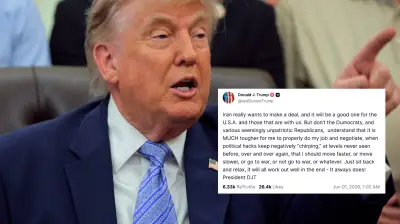
The White House confirmed U.S. intelligence support for the operation against Oseguera Cervantes, who was among the most wanted criminals in both countries. President Donald Trump referenced the takedown during his State of the Union address, highlighting the binational cooperation against cartels.
Yet for local residents like Pérez, who sheltered neighbors during the recent violence, the "kingpin strategy" raises concerns about potential power vacuums and increased internal cartel conflict. Security expert Vanda Felbab-Brown of the Brookings Institution warned that without clear succession within CJNG, "we might see a lot of fighting within the cartel, its breakup, and there are a lot of scenarios."
Economic Concerns and Community Impact
Despite projections that the World Cup could generate $3 billion for Mexico's economy, Pérez remains unconvinced about local benefits. "It doesn't help us residents at all, honestly," he said, suggesting matches should move to Monterrey or Mexico City. "Things aren't in good enough shape for foreigners to be coming to Jalisco for an event like this."
Similar tensions have emerged in Mexico City, while foreign tourists trapped in recent violence in Puerto Vallarta took to social media with warnings, some vowing never to return.
Return to Normalcy Amid Heightened Security
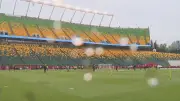
By Tuesday, Guadalajara showed signs of returning to routine, with businesses reopening and workers continuing preparations at the World Cup stadium. Heavily armed police and National Guard members patrolled the city, providing visible security presence.
Taxi driver Juan Carlos Pila dismissed media reports as exaggerated, welcoming visitors with "People should come, man. Everyone is welcome." Meanwhile, small business owner Maria Dolores Aguirre, whose family shop in the mountain town of Tapalpa depends on tourism, expressed concern about "collateral damage" from the violence. "The entire world just saw what happened and, of course, people are going to think twice about coming," she noted.
As preparations continue for the 2026 tournament, the balance between security assurances and on-the-ground realities remains precarious for Guadalajara residents and prospective visitors alike.