

The British Columbia Conservative Party leadership race is emerging as a pivotal moment not only for the party itself but also for the governing New Democratic Party (NDP). As candidates compete to define the future direction of the Conservatives, the outcome could significantly impact the political landscape ahead of the next provincial election.
Leadership Candidates and Their Platforms
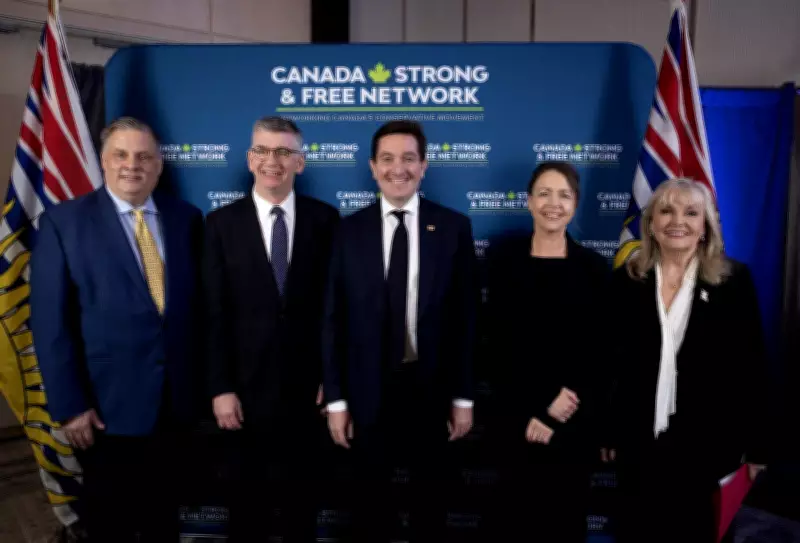
Five candidates are vying for the top job: Peter Milobar, Iain Black, Yuri Fulmer, Caroline Elliott, and Kerry-Lynne Findlay. They recently faced off in a debate at the Canada Strong and Free Network conference in Vancouver on April 24, 2026, where they outlined their visions for the party and the province. The candidates represent a range of perspectives, from centrist to more conservative ideologies, reflecting the internal diversity within the party.
Strategic Implications for the NDP
For the NDP, the Conservative leadership contest presents both challenges and opportunities. A more moderate Conservative leader could attract centrist voters, potentially eroding the NDP's base. Conversely, a shift to the right might alienate moderate voters, driving them toward the NDP or other parties. Political analysts suggest that the NDP is closely watching the race, as the outcome will influence their campaign strategy and policy positioning.

The NDP, currently in government under Premier David Eby, has focused on affordability, healthcare, and climate action. The Conservative leadership race could force the NDP to sharpen its messaging and differentiate itself more clearly from the opposition.
Key Issues in the Race
The candidates have debated issues such as economic recovery, resource development, public safety, and healthcare reform. Some have advocated for a more aggressive approach to natural resource extraction, while others emphasize fiscal responsibility and reducing government spending. These debates are resonating with voters who are concerned about the cost of living and the province's economic direction.
Public Reaction and Polling
Public interest in the leadership race has been growing, with recent polls indicating that the Conservatives are gaining ground on the NDP. However, the party remains divided on key issues, and the leadership contest could either unite or further fragment the party. The NDP will be watching to see if the Conservatives can present a unified front after the leadership vote.
Conclusion
The B.C. Conservative leadership contest is more than an internal party matter; it is a critical juncture that could reshape the province's political dynamics. For the NDP, the race offers a chance to reassess its strategy and reinforce its position as the party of progressive governance. As the contest unfolds, all eyes will be on how the candidates navigate the challenges and opportunities ahead.






