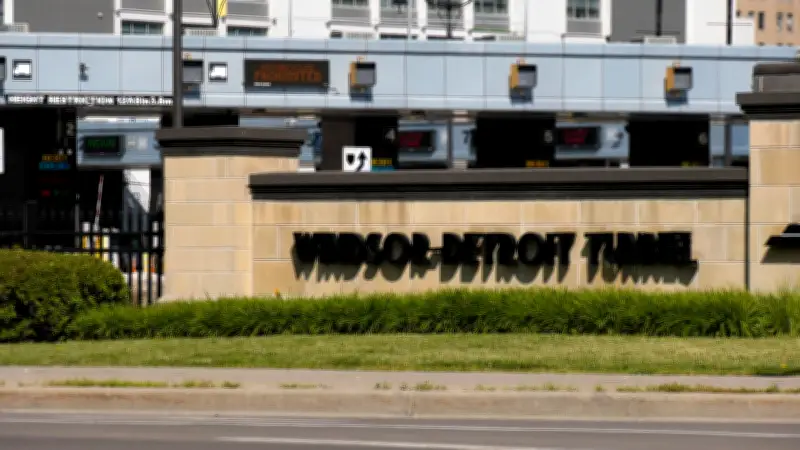
Windsor-Detroit Tunnel Prepares for Traffic Decline with Gordie Howe Bridge Opening
The Windsor-Detroit Tunnel is bracing for a significant drop in traffic once the Gordie Howe International Bridge becomes operational, according to officials. The tunnel, a vital link between Canada and the United States, anticipates a shift in commuter patterns as the new bridge offers an alternative crossing point.
Travis Fortnum of CTV News Windsor reported on June 1, 2026, that tunnel authorities are already strategizing to manage the expected downturn. The Gordie Howe Bridge, currently under construction, is designed to alleviate congestion at the Detroit-Windsor border, one of North America's busiest trade corridors.
Officials estimate that the tunnel could see a 20-30% reduction in vehicle traffic, particularly from commercial trucks, which are expected to favor the bridge's wider lanes and direct access to highways. The tunnel, which primarily handles passenger vehicles and buses, may need to adjust staffing, toll structures, and maintenance schedules to remain viable.

Local businesses and commuters have mixed reactions. Some welcome the reduced congestion, while others worry about the tunnel's long-term financial sustainability. The Windsor-Detroit Tunnel has been a key infrastructure asset since its opening in 1930, and its operators are exploring options such as enhanced marketing, improved services, or potential repurposing of lanes.
The Gordie Howe International Bridge, named after the legendary hockey player, is slated to open in late 2026. It will feature six lanes, a multi-use path for pedestrians and cyclists, and dedicated customs plazas. The bridge is expected to handle over 10,000 trucks daily, significantly reducing wait times at the border.
As the region prepares for this transformative change, the tunnel's adaptation will be closely watched by urban planners and transportation experts. The situation underscores the evolving dynamics of cross-border travel and trade in the Great Lakes region.