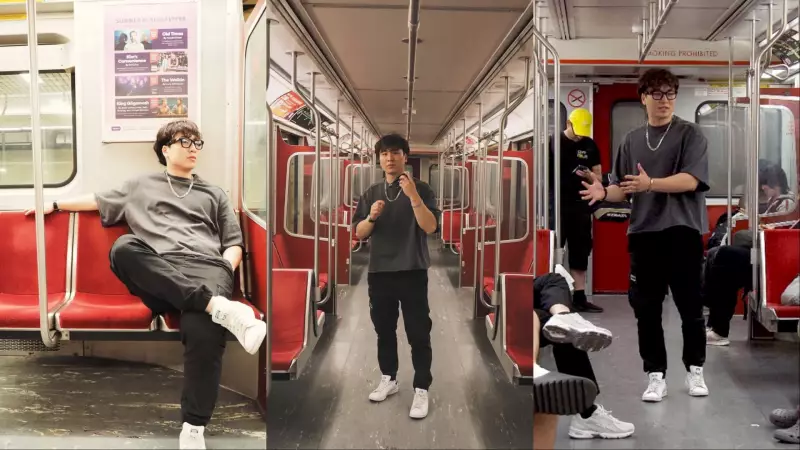
In the vast, often impersonal network of Toronto's public transit, one man is quietly working to turn commutes into opportunities for human connection. Minjae Cho, a 31-year-old Toronto resident, has taken it upon himself to make the Toronto Transit Commission (TTC) feel a little less lonely for his fellow riders.
A Personal Mission to Foster Connection
Cho spoke to CTV News Toronto about his initiative, which was highlighted in a report published on January 16, 2026. His goal is simple yet profound: to counteract the isolation that can accompany daily travel in a major city. While the specifics of his methods were detailed in his interview, the core of his effort revolves around small, intentional acts of kindness and engagement aimed at breaking down the invisible barriers between strangers on buses, streetcars, and subways.
For Cho, this is more than a passing idea. It is a dedicated personal mission to inject a sense of community into the routine journeys of thousands of Torontonians. He recognizes that public transit, while a shared experience, often amplifies feelings of solitude in a crowded space.

The Growing Challenge of Urban Isolation
Cho's project touches on a broader, often unspoken issue in metropolitan life: urban loneliness. The TTC, which facilitates millions of trips annually, functions as a crucial artery for the city. However, within its cars and stations, individuals can feel profoundly alone despite being surrounded by people. Cho's efforts seek to bridge that gap, transforming transit from a purely functional service into a potential space for micro-interactions and shared humanity.
His work is particularly resonant in a post-pandemic era where social bonds have been tested and the value of casual, positive public interaction has become more apparent. By taking the initiative to connect, Cho is challenging the norm of passive commuting.
What Drives the Effort?
While the original CTV News Toronto piece provides deeper insight into Cho's motivations and specific actions, the public revelation of his work has sparked conversations about civility and community in shared urban spaces. It raises questions about the role individuals can play in improving the collective experience of city living, beyond the responsibilities of official institutions.
Cho's story is a reminder that combating loneliness does not always require grand programs; sometimes, it starts with the courage of one person to reach out and make a stranger's journey slightly brighter. His initiative stands as a grassroots counterpoint to the often-anonymous flow of big-city life.
As Toronto continues to grow and evolve, the human element of its infrastructure remains vital. Efforts like Minjae Cho's highlight that the health of a city is measured not just in the efficiency of its systems, but in the warmth of the connections made within them.