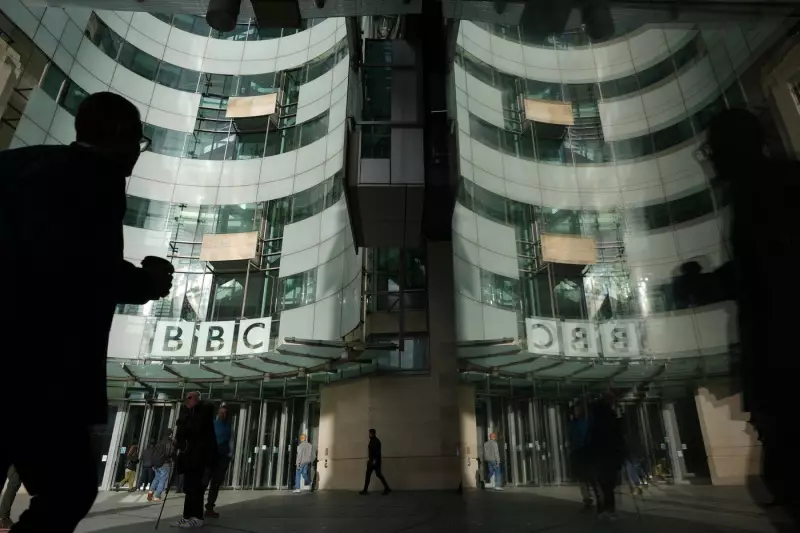
The British Broadcasting Corporation (BBC) has formally asked a court in Florida to throw out a defamation lawsuit filed against it by former U.S. President Donald Trump, which seeks a staggering US$10 billion in damages. The legal move was filed on January 13, 2026, marking a significant escalation in the high-profile dispute.
Legal Battle Over Alleged Defamation
The lawsuit, initiated by Trump, centres on claims of defamatory reporting by the international news broadcaster. While the specific content at the heart of the claim was not detailed in the initial court filing, the BBC's motion to dismiss represents a standard legal strategy to have the case terminated before a full trial begins, arguing the suit lacks legal merit.
The case is being heard in a Florida state court, a jurisdiction where Trump maintains a residence. The BBC, headquartered in London, is being represented by U.S.-based legal counsel to navigate the American judicial system.

High Stakes for Media and Public Figures
The US$10 billion figure is exceptionally high for a defamation claim, even for a public figure like Trump. Such lawsuits between prominent global media entities and former world leaders are closely watched, as they can set precedents affecting press freedom and the legal thresholds for proving defamation.
Legal experts often note that public figures face a much higher bar in defamation cases, needing to prove not just that a statement was false and damaging, but that it was made with "actual malice"—knowledge of its falsity or reckless disregard for the truth. The BBC's motion will likely argue that Trump's legal team cannot meet this stringent standard.
Broader Context and Implications
This lawsuit adds to a history of legal challenges involving the former president and various media organizations. The outcome of the BBC's motion to dismiss will be a critical first step. If the judge denies the motion, the case will proceed to discovery and potentially to trial, a lengthy and public process. If granted, the lawsuit would be effectively ended.
The filing underscores the ongoing tensions between some political figures and established news media, with accusations of defamation becoming a frequent legal battleground. For Canadian readers, the case highlights the extraterritorial reach of U.S. libel law and the risks for international media organizations reporting on American politics.
The court has not yet set a date for a hearing on the BBC's dismissal motion. All parties will now await the judge's decision on whether this billion-dollar legal battle will move forward or be dismissed.