For Canadian drivers, the arrival of spring often brings a familiar and costly adversary: potholes. These craters in the pavement serve as an unrequested and harsh test of a vehicle's suspension, causing frustration and repair bills across the country. The science behind their formation is a direct result of Canada's challenging climate and the relentless freeze-thaw cycles.
The Freeze-Thaw Cycle: A Recipe for Road Ruin
The primary culprit behind pothole formation is water. During periods of rain or snowmelt, moisture seeps into tiny cracks in the asphalt. When temperatures plummet, this water freezes and expands, exerting tremendous pressure from within the road surface. This expansion widens the existing cracks. As temperatures rise again, the ice melts, leaving behind a void or a weakened area beneath the pavement surface.
The final blow is delivered by traffic. The repeated weight of vehicles passing over these compromised sections causes the pavement to collapse, creating the potholes that drivers dread. This cycle can repeat rapidly with fluctuating temperatures, turning a small crack into a major hazard in a short period. The process is a relentless mechanical and chemical assault on road materials.

More Than Just a Nuisance: Consequences for Drivers and Cities
The impact of potholes extends far beyond a bumpy ride. For vehicle owners, they pose a significant financial threat. Hitting a severe pothole can lead to a range of damage, including:
- Flat tires and bent wheel rims
- Misaligned suspension systems
- Damage to steering components
- Exhaust system issues
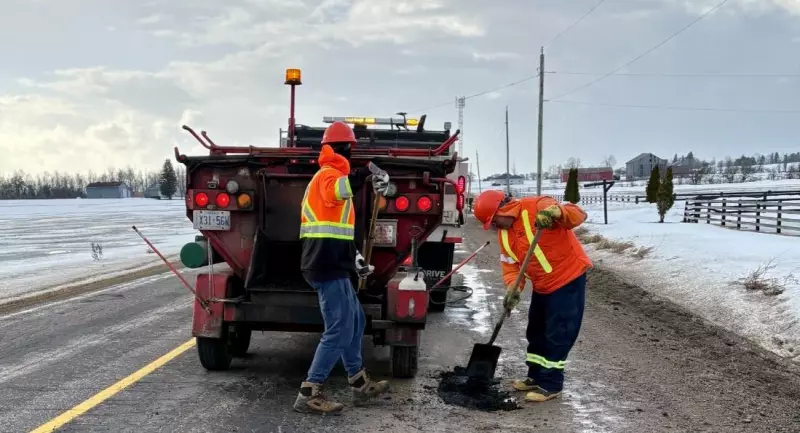
For municipalities, potholes represent a constant and expensive maintenance challenge. Crews must engage in ongoing repair operations, often seen filling craters in all weather conditions. However, cold-patch asphalt used during winter months is frequently a temporary fix; permanent repairs typically require warmer, drier conditions to properly bond with the existing road surface. This creates a seasonal battle for public works departments.
The Ongoing Battle for Smoother Roads
While potholes may seem like an inevitable part of Canadian winters and springs, understanding the science behind them highlights the complex challenge of maintaining infrastructure in a harsh climate. It underscores the importance of proactive road maintenance, quality initial construction, and material innovation. For now, drivers are advised to remain vigilant, reduce speed on rough roads, and report major potholes to their local public works department to help crews identify and address the most dangerous craters. The suspension test nobody asked for continues to be a seasonal rite of passage on Canadian streets.