Stronach Defence Exposes Police Investigation Gaps in Sexual Assault Trial
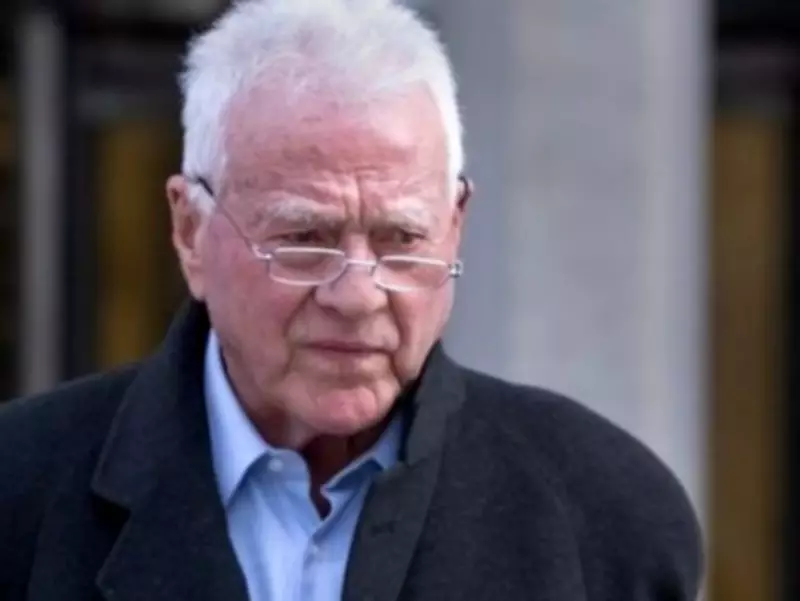
The defence has concluded its case in the high-profile sexual assault trial of billionaire Frank Stronach, leaving the police investigation under intense scrutiny for what appears to be significant procedural shortcomings. During the proceedings, defence attorney Leora Shemesh systematically questioned the thoroughness of the Peel Regional Police's special victims unit, revealing what many observers are calling an embarrassingly incomplete investigation.
Questioning Investigative Methods
On the witness stand, the two lead investigators faced rigorous questioning about their verification processes for allegations made by seven women. These women accused Stronach, the 93-year-old founder of Magna International, of sexual assaults dating back decades. Shockingly, the officers admitted to conducting minimal background checks on the accusers, including no examination of social media profiles or legal histories.
Officer Gabe Dinardo acknowledged that police did not have the complainants swear to the truthfulness of their statements, nor were they cautioned about potential repercussions for providing false information. When asked about verifying the narratives provided by the accusers, Dinardo stated, "Only if we had information to believe people were lying, which we did not." He further explained, "I'm going to believe someone unless I have evidence to show that they're lying."

Insufficient Evidence Collection
The court heard numerous examples of investigative gaps that raised serious questions about the case's foundation. Several women described alleged assaults occurring at specific locations, including a Harbour Castle condo with mirrored ceilings and an underground garage. However, police failed to verify whether Stronach owned or rented properties at these addresses, and investigators were unaware that the condo tower even existed at the location in question.
One particularly striking revelation involved a complainant who provided an exact date—February 14, 1986—for an alleged rape. Despite having this specific information, officers admitted they made no attempt to verify whether Stronach was in the country at that time through Canada Border Services Agency records. Officer Ted Misev, who oversaw the investigation, claimed such checks would have been futile because CBSA records typically only extend back seven to ten years.
Charges Withdrawn Amid Credibility Issues
The lack of thorough investigation became particularly significant as the trial progressed. During cross-examination of the accusers, inconsistencies and credibility problems emerged that ultimately led the Crown to withdraw five charges related to three of the women. This development highlighted the potential consequences of what the defence characterized as an investigation driven more by the "believe them" mantra of the post-#MeToo era than by rigorous evidence collection.
Officer Misev defended the approach, explaining that sexual assault remains a largely under-reported crime, and he didn't want to "scare somebody from disclosing an intimate incident that's occurred to them." However, Shemesh countered this perspective, asking pointedly, "So you assume everyone's telling the truth, right? But then you don't do anything to determine if they aren't?"
Broader Implications for Justice
The revelations from the Stronach trial raise important questions about investigative standards in sexual assault cases. While creating an environment where victims feel comfortable coming forward is crucial, the defence argued that this shouldn't translate to what they characterized as a "wholesale abdication of a thorough police investigation when someone's liberty is at stake."
Frank Stronach has pleaded not guilty to all remaining charges. The trial, which has captured significant public attention, is now set to proceed to closing arguments beginning March 31. The outcome may have lasting implications for how police approach sexual assault investigations, particularly those involving historical allegations and high-profile individuals.