The fate of a young Iranian merchant has become a focal point in the ongoing, brutal struggle between the Iranian regime and its people. Erfan Soltani, a 26-year-old clothing seller from Fardis, was arrested at his home one week ago. He was swiftly charged with colluding against state security and, according to the Kurdish human rights organization Hengaw, was scheduled for a public hanging on Wednesday.
A Last-Minute Reprieve and Rising Tensions
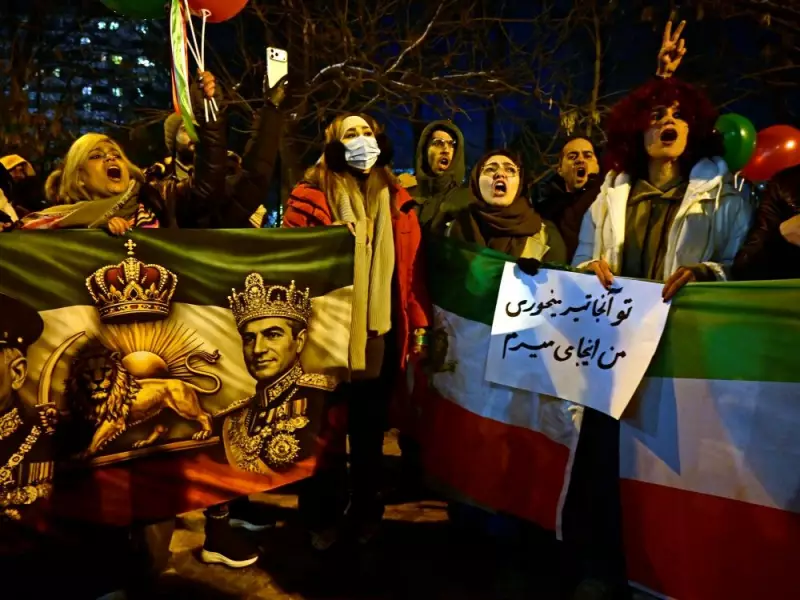
In a dramatic turn, Soltani's execution was delayed at the final moment. His case is emblematic of the severe crackdown on the widespread protests that have engulfed Iran since December. What began as demonstrations over economic grievances in Tehran's bazaar has exploded into a full-scale revolt against the country's theocratic leadership.
The protests represent a desperate cry from citizens of all ages suffering under 47 years of despotic Islamist rule and a ravaged economy. Authorities have responded with overwhelming force, arresting more than 10,000 civilians on serious charges akin to treason.

The Aborted U.S. Military Response
As Soltani's execution loomed, geopolitical tensions surged. Signs pointed to imminent military action: international flights to Iran were cancelled, Iranian airspace was closed, and security alerts were raised at bases like the American facility in Al-Udeid, Qatar. A U.S. carrier strike group, likely accompanied by a submarine, was rerouted from the South China Sea to the Middle East.
However, the anticipated strike never materialized. On Thursday, January 15, 2026, reports from AFP indicated that Saudi Arabia, Qatar, and Oman had persuaded U.S. President Donald Trump to abort a planned attack on Iran. This development has delivered a potential blow to the morale of Iranian protesters, who had been openly encouraged by Trump and Reza Pahlavi, the U.S.-based crown prince and son of the former Shah.
Protesters Left Questioning International Promises
In the days leading up to the expected military action, Trump had used social media to urge Iranian "Patriots" to continue protesting and take over institutions, explicitly stating, "HELP IS ON ITS WAY." This messaging, coupled with aggressive rhetoric, had emboldened the unarmed civilians facing the regime's brutal security forces.
The apparent decision to stand down has sparked criticism and doubt. South Carolina Senator Lindsey Graham, a staunch Trump ally, called reports of the aborted strike "beyond disturbing," noting the regime has "American blood on its hands" and is "slaughtering people in the streets." For the millions of Iranians risking their lives, the pause in U.S. action raises painful questions about whether their trust in external support was misplaced.
The delayed execution of Erfan Soltani offers a temporary respite, but the fundamental conflict remains unresolved. The Iranian people's brave demand for a secular, liberal society continues to clash with the oppressive regime of 86-year-old Supreme Leader Ayatollah Ali Khamenei, while the international community's response appears caught between rhetoric and decisive action.