Israel has declassified a trove of documents detailing the 1976 Entebbe raid, a daring operation that freed more than 100 hostages held by Palestinian and German hijackers in Uganda. The release, announced by the Israel State Archives, provides unprecedented insight into the planning and execution of the mission, which remains a cornerstone of Israeli military history.
Background of the Hijacking
On June 27, 1976, an Air France flight from Tel Aviv to Paris was hijacked by members of the Popular Front for the Liberation of Palestine and the German Revolutionary Cells. The plane was diverted to Entebbe, Uganda, where the hijackers, supported by Ugandan dictator Idi Amin, held 248 passengers and crew hostage. They demanded the release of Palestinian and other prisoners held in Israel and several other countries.
Over the following week, the hijackers released non-Israeli passengers, leaving 106 hostages, mostly Israelis and Jews, along with the Air France crew who refused to abandon the passengers. The documents show that Israeli intelligence quickly mobilized, gathering critical information through Mossad agents and diplomatic channels.

Planning the Rescue
The declassified files reveal that Prime Minister Yitzhak Rabin and Defense Minister Shimon Peres initially debated the feasibility of a military rescue. The operation, codenamed "Operation Thunderbolt," was planned in just seven days. Key elements included the use of a decoy white Mercedes to mimic Amin's convoy, and the transport of commandos in Hercules C-130 aircraft over 2,500 miles, refueling in Kenya with tacit Kenyan approval.
According to the documents, Israeli commandos rehearsed the assault on a mock-up of the Entebbe airport terminal built at the Shdema military base. The plan involved a 53-minute window to neutralize the hijackers and extract the hostages.
The Raid and Aftermath
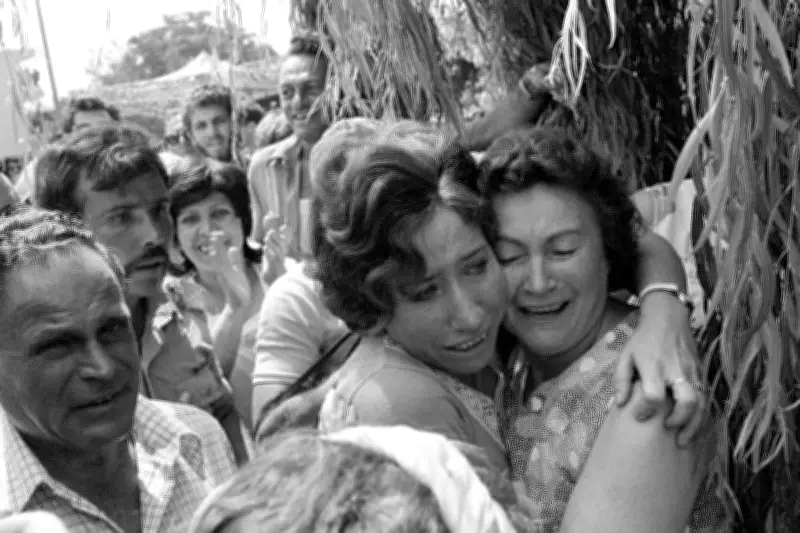
On July 4, 1976, four Israeli aircraft landed at Entebbe under cover of darkness. The commandos stormed the terminal, killing all seven hijackers and 45 Ugandan soldiers. Three hostages were killed in the crossfire, and one was later murdered by Ugandan authorities. Israeli commander Yonatan Netanyahu was the only military casualty.
The documents highlight that the operation's success relied on precise intelligence, including photos of the terminal layout provided by Mossad agents posing as tourists. The files also detail the diplomatic fallout, including international condemnation from Uganda and the Organization of African Unity, but widespread praise from Western nations.
According to historian and document reviewer Dr. Avner Cohen, "The Entebbe raid reshaped global counter-terrorism tactics and demonstrated Israel's long-range strike capability. These documents confirm the meticulous planning and bravery of the soldiers involved."
Long-Term Impact
The declassification comes ahead of the 50th anniversary of the raid. The documents include cabinet meeting transcripts, intelligence assessments, and after-action reports. They show that Israel considered but ruled out a negotiated settlement due to the hijackers' intransigence. The raid led to reforms in Israeli hostage negotiation policy and military special operations.
The release also sheds light on the role of the Air France crew, who voluntarily remained with the hostages. The documents note that the crew's refusal to leave was a key factor in maintaining morale.
Israel's State Archivist said the release aims to honor the memory of the victims and the soldiers who risked their lives. The full archive is now available online for researchers and the public.