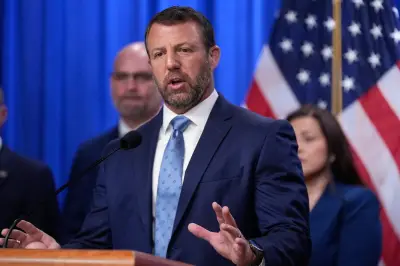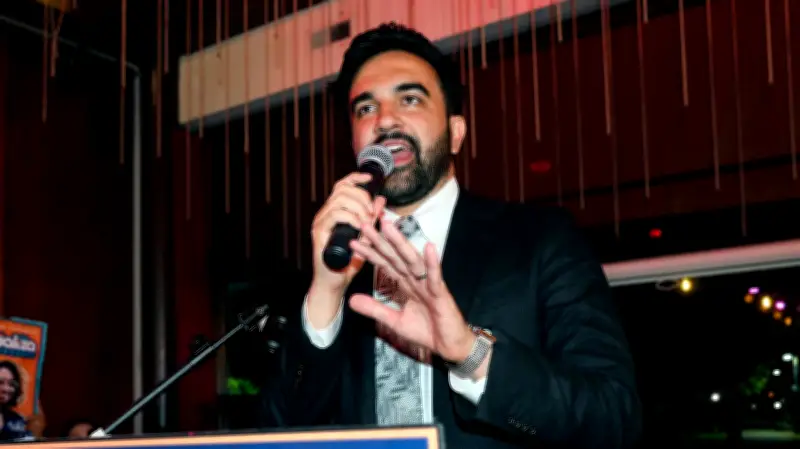
New York City Mayor Zohran Mamdani’s endorsed candidates went three-for-three on Tuesday, ousting two incumbent members of Congress and securing matching victories down the ballot in New York. The wins, which include the defeat of Congressional Hispanic Caucus Chair Adriano Espaillat, mark a significant shift in Democratic Party dynamics, exposing ideological, generational, and stylistic gaps between primary voters and elected officials.
Key Victories and Their Impact
Progressive candidates backed by Mamdani defeated incumbents in races that highlight fractures within the party. Espaillat, a long-time progressive with support for Medicare for All and abolishing ICE, lost to challenger Chevalier despite his record. Other wins include oysterman Graham Platner defeating 79-year-old Maine Gov. Janet Mills, who was pushed into a race against GOP Sen. Susan Collins, and Randy Villegas winning the right to challenge Rep. David Valadao (R-Calif.) against state legislator Jasmeet Bains, who voted against anti-Trump measures. Additional victories came in House primaries in Pennsylvania and New Jersey.
According to party insiders, these results will cause massive internal headaches for Democratic leaders, who now face fears among members nationwide that they could be next. The left’s wins are stacking up as the establishment fails to adapt to new political realities.

Comparing to the Tea Party
Despite the successes, the purported Democratic Tea Party still lacks the scale of its Republican predecessor. Tuesday’s biggest victories were concentrated in New York City, targeting seats in the less powerful House chamber. By contrast, the Republican Tea Party ousted three incumbent senators in a single cycle. West of the Hudson River, establishment Democrats had a stronger night: former Rep. Ben McAdams won a primary in Utah, retiring Rep. Steny Hoyer’s handpicked candidate Adrian Boafo won in Maryland, and Army veteran Cait Conley secured the nomination against vulnerable GOP Rep. Mike Lawler in upstate New York, despite GOP meddling.
However, establishment Democrats should be wary. Boafo’s win came with only a third of the vote, backed by $10 million from super PACs aligned with pro-Israel groups and the cryptocurrency industry. In Maryland, a state senator who opposed gerrymandering lost reelection, and the Senate president faced a scare from a social media influencer.
Rise of the Democratic Socialists
The strength of Mamdani and the Democratic Socialists of America (DSA) was undeniable. DSA-endorsed candidates won nine out of ten state legislative races in New York City, ousting three incumbent state legislators. Incumbent DSA members state Sen. Jabari Brisport and assemblywomen Diana Moreno and Phara Souffrant Forrest won renomination, while Samantha Kattan won her primary to fill Valdez’s seat. The number of democratic socialists in the state legislature will jump from nine to 15, the largest increase since the group entered politics.
Mamdani’s 2025 election spurred DSA membership to 14,000—double that of five years earlier. This energy fueled insurgent campaigns and established the DSA as a new model for party-building in the 21st century.
Upcoming Senate Primaries
The rubber matches will come in August Senate primaries. In Michigan, Rep. Haley Stevens faces progressive Abdul El-Sayed, and in Minnesota, Rep. Angie Craig faces Peggy Flanagan. Both incumbents have significant monetary advantages from AIPAC and crypto-aligned groups. These races will determine whether Democrats are truly experiencing a Tea Party moment.