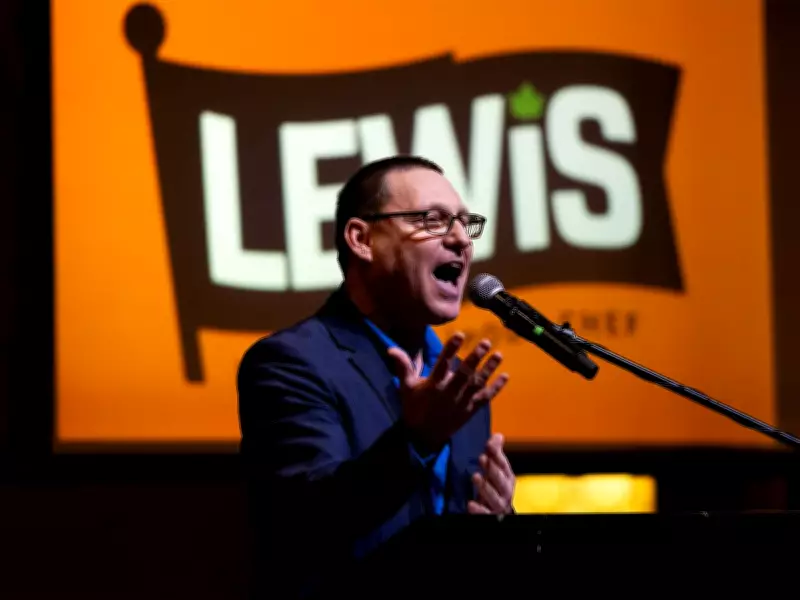
Federal NDP Embraces Communist Economic Vision Under New Leader Avi Lewis
The federal New Democratic Party, now under the leadership of Avi Lewis, has unveiled an economic agenda that critics argue veers dangerously close to twentieth-century communism rather than traditional social democracy. This radical shift was prominently displayed during the party's recent leadership convention, where Lewis's proposals sparked significant controversy and internal division.
Two Dimensions of Controversy at NDP Convention
The convention revealed two distinct areas of contention within the party. First, there were heated social debates focusing on identity politics and representation, with delegates arguing over which marginalized groups deserved speaking time. Traditional party members who identify with their birth-assigned gender found themselves largely sidelined in these discussions.
More significantly, the convention showcased what many are calling economic extremism. Lewis's policy proposals, particularly his call for a national bank operated through Canada Post, have drawn comparisons to communist economic systems. This comparison comes from observers who have witnessed actual communist regimes in places like East Berlin, the Soviet Union, and Somalia during their most oppressive periods.

Western Backlash and Provincial Divisions
The reaction from Western Canada has been particularly severe. New Democratic Party activists in Western provinces express alarm that Lewis secured his leadership victory through questionable membership drives that attracted Green Party supporters and even some communist sympathizers. This development threatens to fracture the party along regional lines.
Provincial NDP organizations in Saskatchewan, British Columbia, and Alberta are reportedly considering formal separations from the federal party. The Alberta NDP under Naheed Nenshi has already implemented a trial separation, allowing new members to opt out of automatic federal party membership. Thousands have taken this option, including Nenshi himself, though the Alberta party remains technically affiliated with the federal organization.
Resource Development Clash
Lewis's anti-resource development stance creates particular tension in provinces dependent on natural resources. His positions make even former federal environment minister Steven Guilbeault appear moderate by comparison. This conflict became evident when Manitoba NDP Premier Wab Kinew offered polite approval of Lewis's leadership while simultaneously pursuing development projects that directly contradict Lewis's anti-resource agenda.
In Alberta, the provincial NDP recently released Building Canada's Energy Future, a comprehensive plan supporting numerous resource projects including Trans Mountain pipeline expansion, new bitumen lines to British Columbia, revived Energy East proposals, increased LNG exports, and critical mineral development. This stands in stark contrast to Lewis's opposition to such initiatives.
Historical Context and Political Fallout
The current situation represents a significant departure from previous NDP leadership. Former Alberta Premier Rachel Notley, while supporting some resource projects like TMX, never advocated for such an extensive pro-development agenda. Lewis has previously criticized Notley as the saint of the corporate welfare bums, highlighting the ideological gulf between current federal leadership and previous provincial NDP governments.
Conservative politicians have watched these developments with amusement, with the United Conservative Party caucus noting that Nenshi's new anti-pipeline boss spells trouble for Alberta NDP. The fundamental question remains whether Lewis recognizes how dramatically the political landscape has changed since earlier NDP administrations, particularly in resource-rich provinces where his policies face vehement opposition.