Denmark's 2026 General Election Ends in Political Deadlock
The recent Danish general election, held on March 24, 2026, has resulted in an inconclusive outcome that leaves the political landscape in a state of uncertainty. With no single party or bloc securing a decisive majority, the future of the incumbent prime minister hangs in the balance as complex coalition negotiations are set to commence.
A Fragmented Parliament Emerges
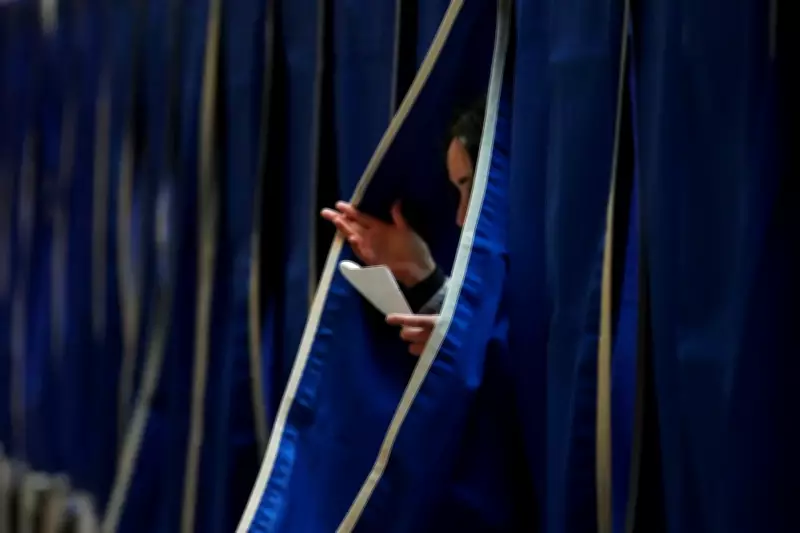
Voters across Denmark cast their ballots in a highly anticipated election that has ultimately produced a fragmented Folketing, the country's parliament. The distribution of seats among multiple parties means that forming a stable government will require delicate and protracted discussions. This outcome reflects a deeply divided electorate, with traditional party loyalties shifting and new political dynamics coming into play.
The prime minister's center-left coalition failed to achieve the necessary support to continue governing outright, while opposition parties also fell short of a clear mandate. This stalemate is reminiscent of recent European elections where polarization has led to hung parliaments, complicating governance and policy-making.

Implications for Leadership and Policy
The unclear result places significant pressure on the sitting prime minister, whose ability to remain in office now depends on securing alliances with smaller parties. Political analysts suggest that negotiations could take weeks, if not longer, as parties jockey for influence and key ministerial positions. The prime minister's future is particularly uncertain, with potential scenarios ranging from a minority government to a completely new coalition led by an opposition figure.
This political instability may delay critical decisions on domestic and international issues, including economic policies, climate initiatives, and Denmark's role in European Union affairs. Voter turnout was reported to be robust, indicating strong public engagement, yet the outcome underscores the challenges of translating that engagement into a cohesive governing majority.
Broader Context and Next Steps
Denmark's election is part of a broader trend in Nordic politics, where fragmented results have become more common. The process of forming a government will involve:
- Intensive talks between party leaders to explore potential coalitions.
- Discussions on policy compromises to align differing party platforms.
- Possible involvement of the monarchy in facilitating negotiations, as per Danish constitutional tradition.
As the political drama unfolds, citizens and international observers alike are watching closely. The final composition of the government will not only shape Denmark's direction for the coming years but also signal broader political shifts in the region. For now, the country remains in a holding pattern, awaiting clarity on who will lead it forward.