Uncertainty Persists Amid Ongoing Coquitlam Mudslide Cleanup
More than a year after a catastrophic landslide struck Coquitlam, British Columbia, in March 2026, cleanup operations continue with a palpable sense of uncertainty hanging over the region. The massive mudslide, which caused what city officials have described as "extensive damage," remains a significant challenge for recovery teams and local authorities.
Assessing the Aftermath of a Devastating Natural Disaster
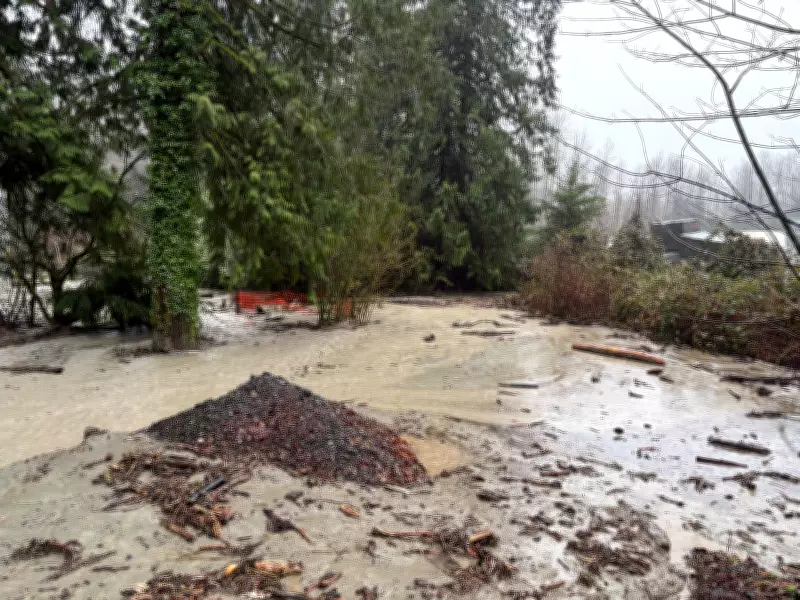
The City of Coquitlam has released photographs documenting the substantial destruction left in the wake of the 2026 landslide. These images reveal the sheer scale of the environmental disruption, with debris fields covering large areas and significant alterations to the local landscape. The visual evidence underscores the long-term nature of the recovery process that now faces the community.
Emergency response teams have been working diligently since the initial disaster to stabilize the affected zones and begin the painstaking process of debris removal. However, the complexity of the terrain and the volume of material displaced by the landslide have presented formidable obstacles to swift resolution.

The Human and Environmental Toll
While no human casualties were reported in this particular incident, the environmental impact has been substantial. The mudslide has disrupted local ecosystems, damaged infrastructure, and created ongoing safety concerns for residents in surrounding areas. The psychological impact on the community cannot be underestimated, with many residents experiencing anxiety about future stability in the region.
"The uncertainty is perhaps the most challenging aspect for everyone involved," noted one local official who requested anonymity. "We're dealing with a dynamic situation where conditions can change, and that makes long-term planning particularly difficult."
Technical Challenges in Restoration Efforts
The cleanup operation faces several technical hurdles:
- Unstable terrain that requires constant monitoring and assessment
- Environmental protection concerns to prevent secondary contamination
- Logistical challenges in accessing remote affected areas
- Weather-dependent work schedules that can delay progress
Geotechnical engineers have been conducting regular assessments to determine the stability of slopes and identify potential risk areas that might require additional reinforcement or monitoring. These evaluations are crucial for ensuring the safety of cleanup crews and preventing further incidents during the restoration process.
Looking Toward Long-Term Recovery
As cleanup continues, municipal officials are beginning to shift focus toward longer-term recovery strategies. This includes discussions about:
- Rebuilding damaged infrastructure with improved resilience
- Implementing enhanced monitoring systems for early warning of future events
- Developing community preparedness programs for natural disasters
- Restoring affected natural habitats and ecosystems
The Coquitlam mudslide of 2026 serves as a stark reminder of British Columbia's vulnerability to such natural events, particularly in regions with challenging topography and variable weather patterns. As cleanup efforts persist, the community remains cautiously optimistic while acknowledging that full recovery will be measured in years rather than months.
The ongoing situation in Coquitlam highlights the importance of comprehensive disaster preparedness and resilient infrastructure planning for communities across similar geographical regions. While uncertainty remains about the exact timeline for complete restoration, the commitment to recovery from this significant 2026 event continues unabated.