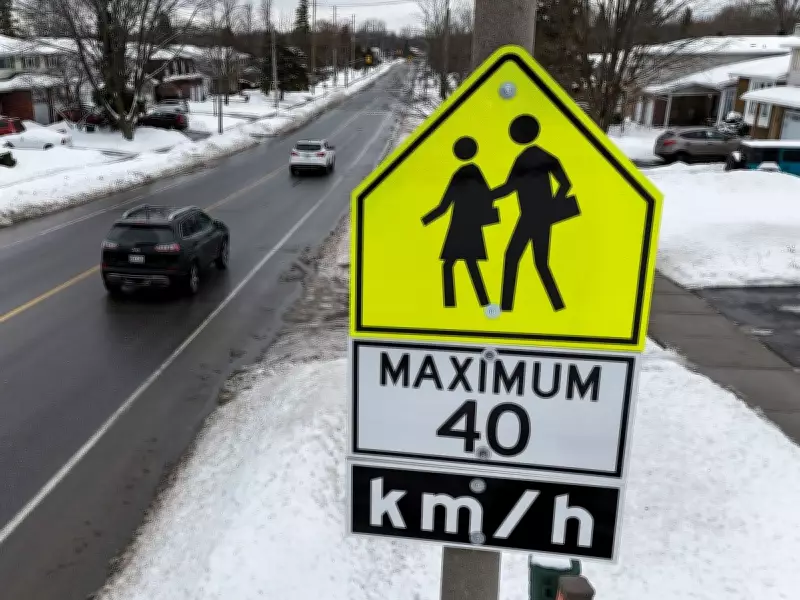
Ottawa Witnesses Notable Rise in School Zone Speeding Following Provincial Camera Prohibition
Four months after the Ontario government implemented a ban on automated speed enforcement cameras, Ottawa has experienced a significant uptick in speeding incidents within school zones, according to city officials. This alarming trend emerges amidst heightened concerns over pedestrian safety following recent tragic events involving school crossing guards and children.
Provincial Decision Sparks Municipal Concern
The provincial government prohibited automated speed enforcement cameras last November after Premier Doug Ford characterized them as municipal cash grabs. In response, the province announced a $210-million road safety initiatives fund to replace cameras with alternative traffic-calming measures, including larger signage, enhanced lighting, and speed bumps.
Ottawa City Council unanimously supported a motion urging the province to permit the city to retain its 60 active cameras, most of which were strategically positioned in school zones. Mayor Mark Sutcliffe expressed fundamental disagreement with the provincial decision, describing the cameras as effective and necessary tools for slowing drivers, particularly in areas frequented by children.

Tragic Incidents Heighten Safety Apprehensions
The speeding concerns have been amplified by recent heartbreaking events:
- The death of Barrhaven crossing guard Peter Clark, who was struck by a truck while on duty during a day dedicated to honoring school crossing guards
- A five-year-old child left in serious condition after being hit by a vehicle near another Barrhaven school earlier this month
Councillor Tim Tierney of Beacon Hill-Cyrville ward noted there was clear evidence that speed cameras had been making a measurable difference in reducing vehicle speeds. Would it have changed this tragedy? We don't know. But clearly the cameras were helping in many areas, Tierney stated.
Municipal Response and Future Considerations
While there was no camera at the specific intersection where Clark was fatally struck, the closest automated enforcement device had been located just three blocks away at a nearby school. Mayor Sutcliffe emphasized that it remains premature to fully understand all factors contributing to Clark's death but indicated willingness to reconsider approaches based on emerging evidence.
We had evidence that showed speed cameras were working and reducing speeds, in particular, around schools. I didn't agree with the decision to remove them, Sutcliffe affirmed. The mayor added that if sufficient evidence demonstrates that eliminating speed cameras compromises safety, he would consider making another appeal to the provincial government for their reinstatement.
This situation highlights the ongoing tension between provincial policy decisions and municipal safety priorities, with Ottawa officials continuing to monitor traffic patterns and advocate for measures they believe protect vulnerable road users in school environments.