

Iran Rejects U.S. Ceasefire Proposal Amid Escalating Mideast Tensions
In a significant development in the ongoing Middle East conflict, Iran has confirmed receiving a ceasefire plan from the United States. However, Tehran has categorically dismissed the idea of negotiating directly with Washington, highlighting the deep diplomatic rift between the two nations.
Diplomatic Standoff Intensifies
The proposal, delivered through diplomatic channels, represents Washington's latest attempt to de-escalate regional hostilities. Iranian officials have characterized the U.S. initiative as insincere, citing what they describe as contradictory American policies in the region. This rejection comes amid heightened tensions following recent attacks on regional infrastructure.
"The United States cannot simultaneously pursue aggressive military postures while expecting Iran to engage in meaningful dialogue," stated an Iranian foreign ministry spokesperson, who requested anonymity due to the sensitivity of the matter.

Regional Context and Security Concerns
The diplomatic impasse occurs against a backdrop of escalating violence across the Middle East. Recent incidents include:
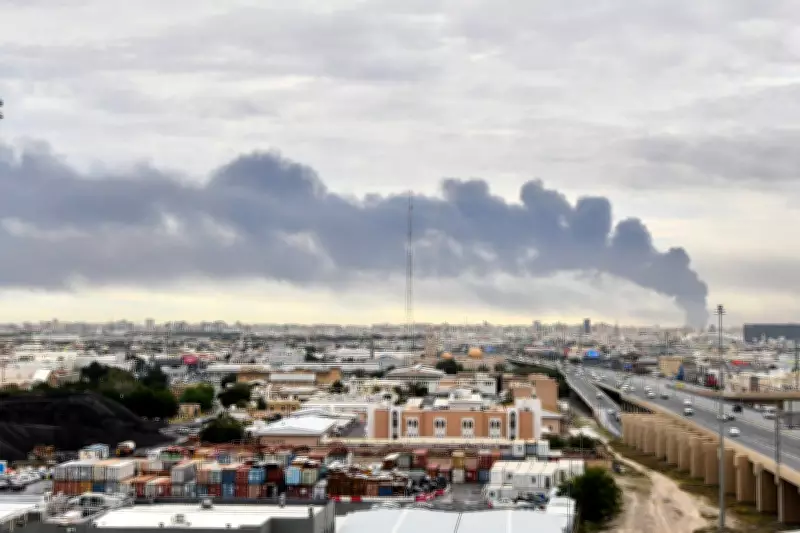
- A drone strike targeting fuel storage facilities at Kuwait International Airport
- Multiple attacks on shipping lanes in the Persian Gulf
- Increased militia activity in Iraq and Syria
Security analysts note that the rejection of the ceasefire proposal suggests Iran is preparing for prolonged regional confrontation rather than seeking immediate diplomatic resolution.
Historical Precedents and Future Implications
This latest development continues a pattern of failed diplomatic initiatives between the two countries. Previous attempts at dialogue have consistently foundered on issues including:
- Nuclear program limitations
- Regional proxy conflicts
- Economic sanctions relief
The current impasse raises concerns about potential escalation, particularly given recent military movements by both Iranian-aligned forces and U.S. regional partners. Regional stability appears increasingly fragile as diplomatic channels remain effectively closed.
International observers warn that without some form of communication framework, miscalculations could lead to broader regional conflict. The United Nations has called for restraint from all parties while exploring alternative mediation options.






