The 'Carney Doctrine': Silence on China's Forced Labor Allegations Raises Eyebrows
Prime Minister Mark Carney's approach to addressing sensitive issues with China, particularly allegations of forced labor, has come under intense scrutiny. Dubbed the "Carney Doctrine," this strategy involves avoiding public discussions on such matters, a stance that has sparked significant concern among observers and critics alike.
A Doctrine of Silence
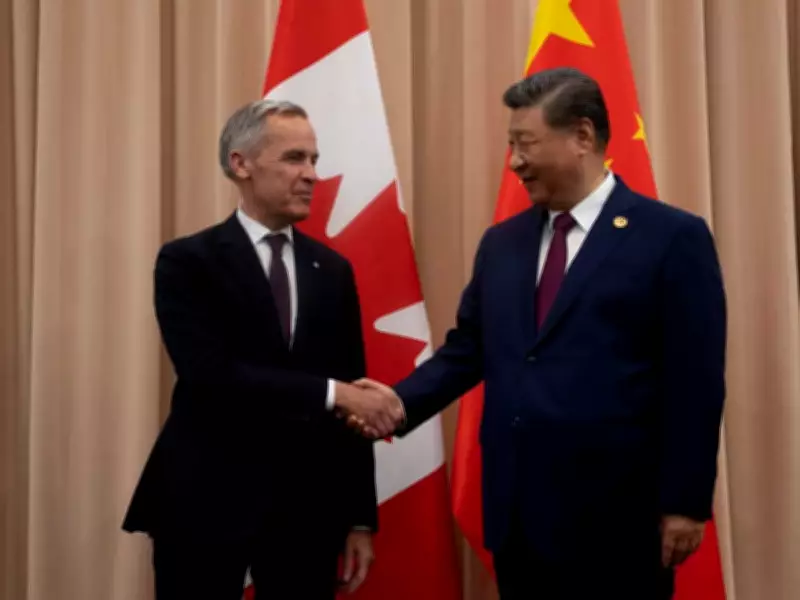
The doctrine was first articulated following Carney's initial meeting with Chinese President Xi Jinping at the APEC summit in 2025. During that encounter, Xi reportedly advised Carney, "don't lecture me in public." This directive appears to have shaped the Prime Minister's subsequent communications regarding China.
Recent events have brought this approach into sharp focus. When controversy erupted after Liberal MP Michael Ma attempted to discredit expert testimony about forced labor in China during a Commons committee meeting, Carney's response was notably measured. He carefully avoided singling out China or mentioning President Xi by name, instead framing forced labor as a global issue rather than one specifically linked to China.

Government's Unified Stance
Carney's position mirrors that of his government. Natural Resources Minister Tim Hodgson recently articulated this policy when questioned about disagreements with China, stating, "We've got clear categories of where we agree, and we've got places where we don't agree. Those lines are clear. We don't need to have public discussions about where we disagree."
This unified stance has raised questions about transparency in Canadian foreign policy. The government's apparent reluctance to publicly address human rights concerns with China has left many wondering about the priorities guiding international relations.
The Michael Ma Controversy
The situation involving Liberal MP Michael Ma added fuel to the fire. Ma had implied that expert testimony from Margaret McCuaig-Johnston regarding forced labor in China was based on "hearsay." While Carney confirmed Ma would remain in the Liberal caucus, he noted the MP had apologized "as he should have" and recognized the seriousness of the issue.
This incident highlighted the delicate balance the government is attempting to maintain between addressing human rights concerns and maintaining diplomatic relations with China.
Broader Implications
China's consistent denial of forced labor allegations, dismissing them as "blatant lies," makes the Canadian government's silence particularly concerning. Critics argue that by avoiding public discussion of these issues, Canada may be compromising its commitment to human rights and transparency.
The "Carney Doctrine" extends beyond forced labor to potentially include other sensitive topics such as foreign interference. This approach represents a significant shift in how Canada engages with China on contentious issues, prioritizing diplomatic harmony over public accountability.
As this policy continues to unfold, questions remain about its long-term implications for Canada's international reputation and its commitment to addressing human rights violations globally.